Picky eating at the table? How to stay calm and patient with your child

Picky eating at the table? How to stay calm and patient with your child
Many parents know the scene: you’ve spent time preparing a healthy, tasty meal, but your child refuses to take a bite. Maybe there’s a wrinkled nose, a firm “no,” or a plate pushed away. Picky eating can be frustrating—but it doesn’t have to turn dinner into a battle. With patience, understanding, and a few simple strategies, you can create a calmer mealtime and help your child slowly expand their tastes.
Understand why kids are picky
Picky eating is a normal part of childhood development. Children’s taste buds are more sensitive than adults’, especially to bitterness, texture, and strong smells. Familiar foods feel safe, while new ones can seem intimidating.
That doesn’t mean your child will always be picky. Most kids become more open to new foods when they’re allowed to explore at their own pace—without pressure or power struggles.
Create a calm mealtime atmosphere
The mood at the table matters just as much as what’s on the plate. When meals turn into a fight, children start associating eating with stress. Instead, aim for a relaxed, positive environment where food isn’t a source of conflict.
- Avoid pressure or threats like “no dessert if you don’t eat your veggies.” It only increases resistance.
- Keep the conversation light—talk about the day, not about how much your child is eating.
- Offer small portions so the plate doesn’t feel overwhelming.
When your child senses that mealtime isn’t a test, they’re more likely to feel curious and willing to try new things.
Spark curiosity about food
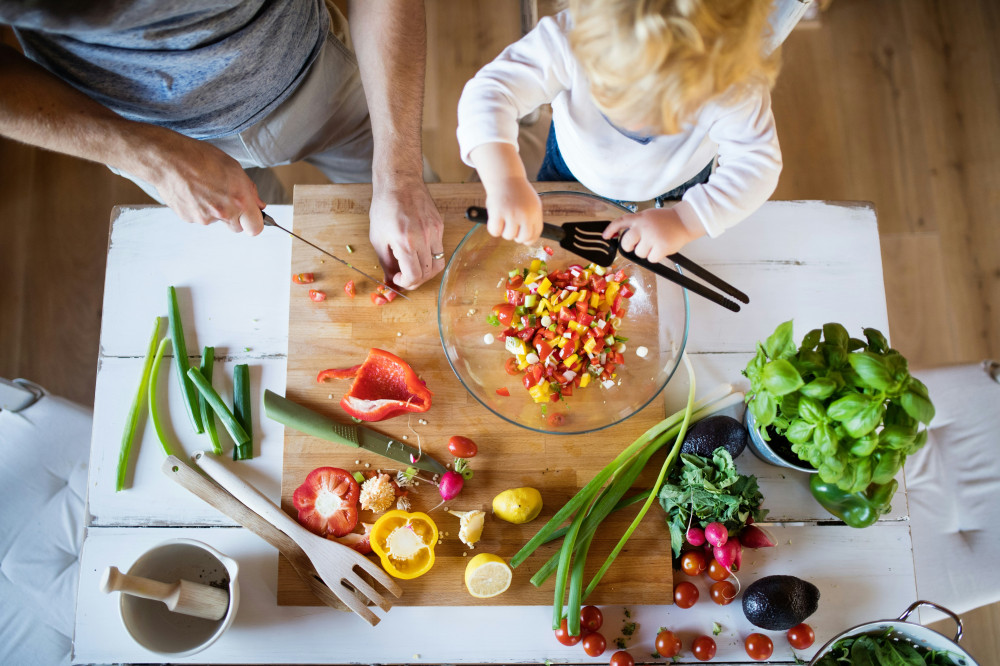
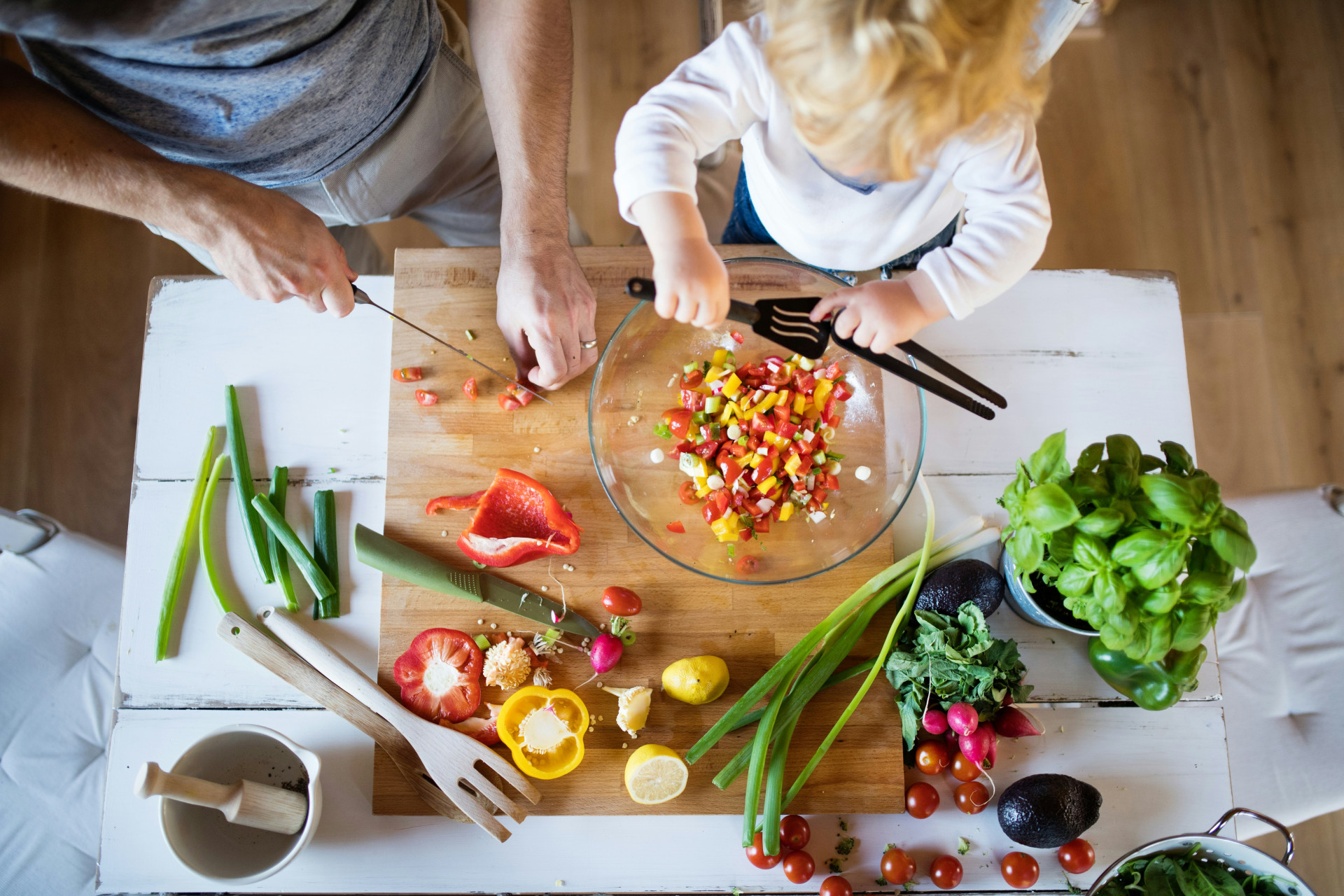
Children rarely eat something they don’t feel comfortable with. Involving them in the process can make a big difference.
- Let your child help pick out fruits or vegetables at the grocery store or farmers market.
- Give them small kitchen tasks, like stirring, washing produce, or setting the table.
- Talk about colors, shapes, and smells—not just taste.
When kids feel ownership over the food, they’re often more interested in tasting it.
Læs også:



Repetition works—but patience is key
Research shows that children may need to be exposed to a new food 10–15 times before accepting it. So don’t give up after the first rejection.
Offer small amounts of the new food alongside something your child already likes. Over time, familiarity builds comfort, and curiosity often follows.
Avoid turning food into a reward
It’s tempting to say, “Eat your broccoli and you’ll get dessert,” but that can send the wrong message. When healthy foods become something to “get through” to earn a treat, kids learn that vegetables are chores, not enjoyable parts of a meal.
Instead, talk about food in a neutral, sensory way. For example: “This carrot is really crunchy—want to try it?” rather than “You should eat it because it’s healthy.” This keeps the focus on experience, not obligation.
Offer choices within limits
Children like to feel in control. You can give them choices without losing structure. Try asking, “Would you like apple slices or grapes?” or “Do you want your sauce on the side or on top?”
Small choices help your child feel empowered while you stay in charge of the overall meal. This balance can reduce tension and make mealtime more enjoyable for everyone.
Remember—it’s about connection, not consumption
The most important part of a meal isn’t how much your child eats, but the experience you share together. When your child feels your calm, patient presence, they’re more likely to stay open and curious about food.
Picky eating usually fades with time, but your relationship with your child lasts much longer. By keeping mealtimes positive and pressure-free, you’re helping your child build a healthy, lifelong relationship with food—and with you.
Læs også: