Settling into Childcare: How Parents and Staff Create a Safe Start Together

Settling into Childcare: How Parents and Staff Create a Safe Start Together
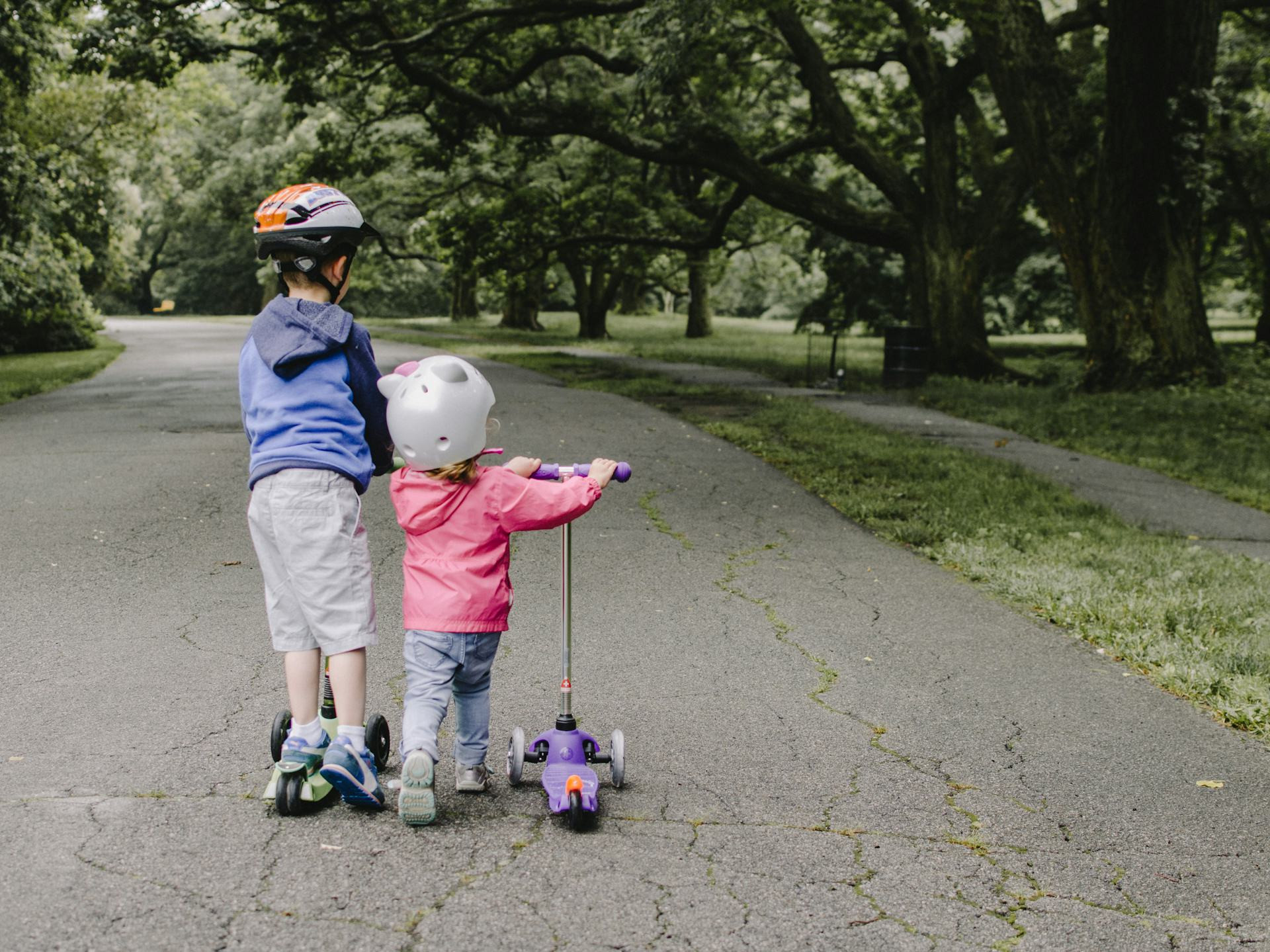
Starting childcare is a big milestone—for both children and parents. It marks the beginning of new routines, new relationships, and a new sense of independence. A smooth transition isn’t just about logistics; it’s about building trust, comfort, and partnership between families and caregivers. Here’s how parents and childcare staff can work together to create a safe and positive start.
Preparation Builds Confidence
For many children, entering childcare is their first extended separation from their parents. Preparing them for what’s ahead can make a big difference. Talk about the childcare center in a calm, positive way: “You’ll get to play with other kids,” or “Your teacher will help you if you need anything.”
If possible, visit the center before the first day. Let your child explore the play area, meet the teachers, and see where they’ll spend their time. Some families find it helpful to look at photos of the center at home or read picture books about starting preschool or daycare. These small steps help children feel more familiar and secure when the big day arrives.
Læs også:



Building Trust Through Communication
A successful transition depends on open communication between parents and staff. Parents know their child’s personality, routines, and comfort items best, while teachers and caregivers have experience helping children adjust to group settings. When both sides share information and listen to each other, children benefit most.
Tell the staff about your child’s favorite toys, nap habits, or any worries you might have. This helps them create a sense of continuity and comfort. In return, teachers can share how your child is settling in, what activities they enjoy, and how they interact with others.
Trust grows when communication is honest and respectful. It’s natural for parents to feel anxious at first, but showing confidence in the caregivers sends your child a powerful message: this is a safe place to be.
A Gradual Transition—At the Child’s Pace
There’s no single “right” way to start childcare. Some children adjust quickly, while others need more time. Many centers offer a gradual transition period—perhaps a few shorter days at first, with parents staying for part of the time, then slowly stepping back as the child becomes more comfortable.
The key is to follow your child’s cues. If they seem curious and relaxed, you can move forward. If they’re tearful or hesitant, it’s okay to slow down. The goal isn’t speed—it’s helping your child feel secure and ready to explore.
Goodbyes and Reunions—Rituals That Reassure
Drop-off can be emotional for both parent and child. A consistent goodbye ritual helps make it easier. It might be a hug, a kiss, and a cheerful “See you later!”—always done the same way. Predictability helps children feel safe.
Even if it’s tempting to slip away while your child is distracted, it’s better to say a clear goodbye. This teaches your child that you leave—but you always come back. Caregivers can support this moment by gently guiding the child into an activity or offering comfort as the parent departs.
At pick-up time, take a few minutes to reconnect. Ask open-ended questions like, “What did you play today?” or “Who did you sit with at lunch?” Showing interest helps your child process their day and strengthens your bond.
When Adjustment Takes Longer
Some children need extra time to settle in, and that’s perfectly normal. Factors like age, temperament, or previous experiences can all play a role. If your child continues to struggle after a few weeks, talk with the staff. Together, you can explore solutions—perhaps shorter days, a consistent caregiver, or a more structured drop-off routine.
Patience and calm are key. Children are sensitive to their parents’ emotions; when they sense that the adults are confident and relaxed, it helps them feel the same.
A Shared Journey with Lasting Impact
The transition into childcare is the beginning of a long partnership between families and educators. When parents and staff work together to create a sense of safety and trust, they lay the foundation for a child’s well-being, learning, and social growth.
A good start isn’t about perfection—it’s about presence, understanding, and respect. In the small, everyday moments—a reassuring smile, a familiar goodbye, a warm welcome—children find the security they need to thrive.
Læs også: