Everyday Transitions: Supporting Your Child Through Change

Everyday Transitions: Supporting Your Child Through Change
Change is a natural part of life — for children as much as for adults. Starting preschool, moving to a new neighborhood, adjusting to a new teacher, or welcoming a new sibling are all transitions that can feel big to a child. Each shift requires time, patience, and understanding. As a parent, you play a key role in helping your child feel safe and confident through these changes. Here’s how you can support your child when everyday life takes a new turn.
Seeing Change Through Your Child’s Eyes
What may seem like a small adjustment to an adult can feel enormous to a child. Children thrive on predictability and routine because it helps them feel secure and in control. When something changes — a new classroom, a different caregiver, or a move to another home — it can stir up uncertainty, worry, or resistance.
These reactions are normal. They’re not signs that something is wrong, but that your child is working hard to adapt. The best thing you can do is acknowledge your child’s feelings and give them time to adjust. Let them know it’s okay to feel nervous or sad about what’s new.
Creating Predictability in the Midst of Change
When life feels uncertain, familiar routines become anchors. Keeping small, consistent rituals — like reading together before bed, having breakfast at the same time each morning, or walking the same route to school — helps your child feel grounded.
Talk about what’s coming next. Use calendars, pictures, or simple stories to show what the new routine will look like. The more concrete and visual you can make it, the easier it is for your child to understand.
If your child is starting kindergarten, for example, visit the school together, meet the teacher, and explore the playground. These experiences make the unknown more familiar and less intimidating.
Talking Openly About Feelings
Children often need help putting their emotions into words. Ask open-ended questions like, “How are you feeling about your new class?” and listen without rushing to fix things. Avoid brushing off worries with phrases like “You’ll be fine” — even if you mean to reassure. Instead, validate their feelings: “I can see that you miss your old friends,” or “It’s normal to feel nervous when something new is starting.”
Some children express themselves best through play, drawing, or movement. Give them space to do that — it’s another way for them to process what’s happening.
Læs også:



Be Patient — Adjustment Takes Time
Every child adapts at their own pace. Some settle in quickly, while others need weeks or even months to feel comfortable. Try not to push your child to “move on” too soon.
Watch for signs that your child is still struggling, such as changes in sleep, appetite, or mood. If worries persist, reach out to teachers, school counselors, or your pediatrician. Working together can help you find the right support.
Building Confidence and Resilience
Transitions can also be opportunities for growth. When children experience that they can handle new situations, their confidence and resilience grow. Remind your child of times they’ve successfully managed change before: “Remember when you started soccer? That was new too, and now you love it.”
Celebrate small victories. Each success helps your child believe, “I can do this.” The goal isn’t to remove every challenge, but to show that challenges can be faced — and overcome — together.
When the Whole Family Is Affected
Some transitions, like a move, divorce, or a new baby, affect everyone in the household. During these times, stability and connection matter more than ever. Keep as many familiar routines as possible, and be honest about what’s happening in age-appropriate ways.
Children feel safer when they sense that the adults are calm and working together. Even if things aren’t perfect, your steady presence reassures them that they’re not alone.
A Shared Journey
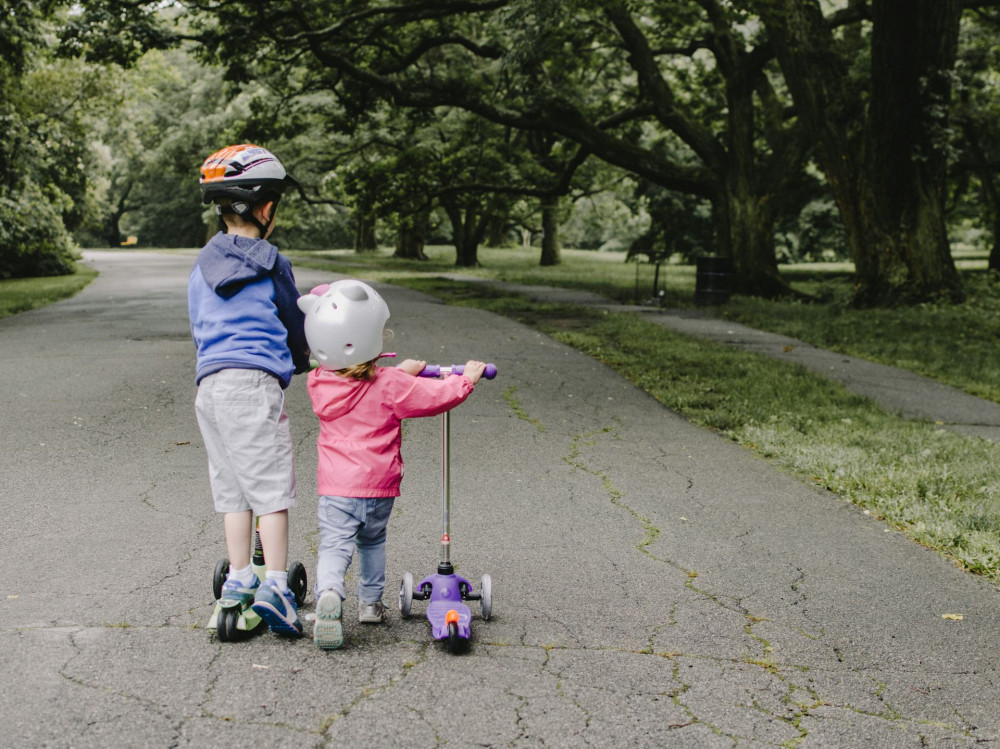
Supporting your child through change isn’t about making life free of bumps — it’s about walking beside them as they navigate the road ahead. When your child knows you’re there, listening and guiding, transitions become less frightening and more manageable. And with each experience, your child learns an invaluable lesson: that change can be met with courage, trust, and love.
Læs også: