Friends, Play, and Well-Being: How Social Relationships Strengthen Children’s Health and Development

Friends, Play, and Well-Being: How Social Relationships Strengthen Children’s Health and Development
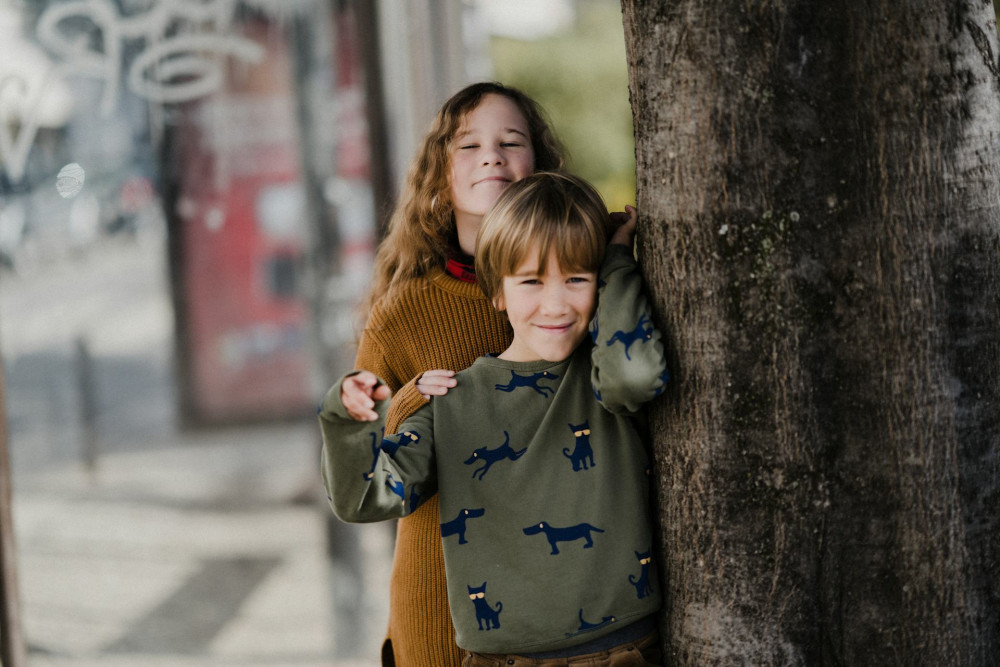
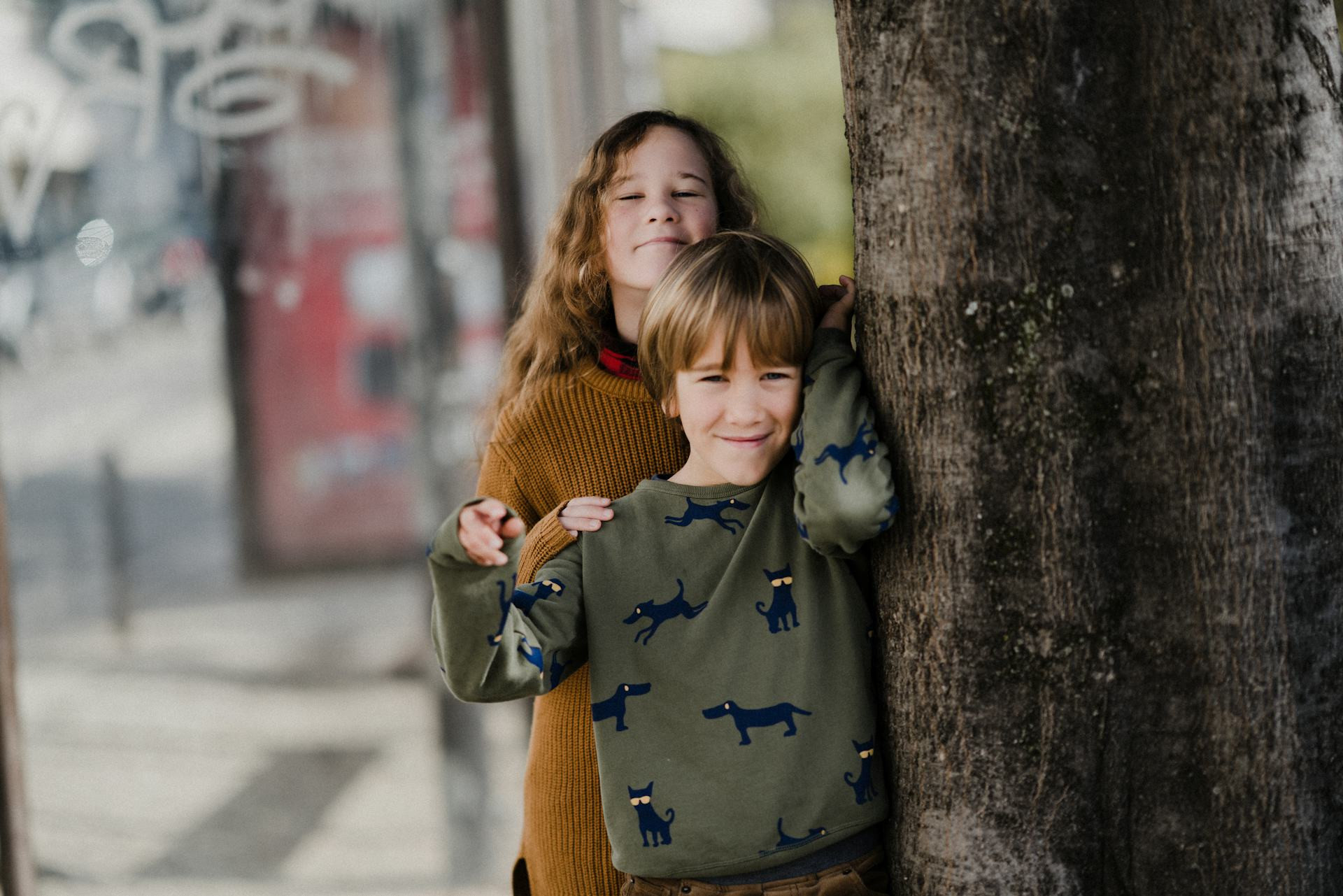
Friendship and play are not just pleasant parts of childhood – they are essential building blocks for healthy growth and lifelong well-being. Through time spent with others, children learn to understand themselves, read emotions, cooperate, and resolve conflicts. In other words, social relationships are not only about happiness in the moment but also about preparing children for the challenges and connections of adult life.
Why Social Relationships Matter
Research in child development consistently shows that children who have strong friendships and feel socially connected tend to thrive both mentally and physically. They experience less stress, cope better with setbacks, and develop a stronger sense of self-worth.
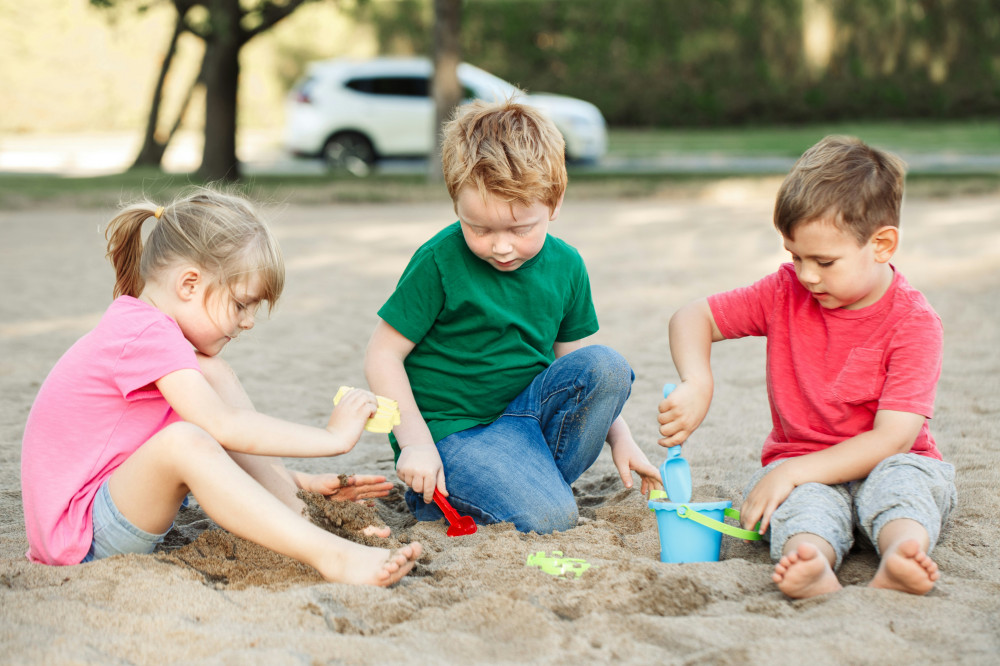
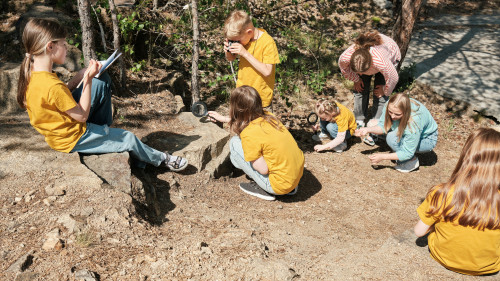
When children play together, they practice seeing things from another person’s perspective, taking turns, sharing, and finding compromises. These are skills that later become crucial in school, at work, and in close relationships as adults.
Social connections also have a direct impact on health. Studies from the American Academy of Pediatrics and other institutions suggest that children who feel included and supported by peers are less likely to experience anxiety, depression, or loneliness.
Læs også:
Play as a Space for Learning
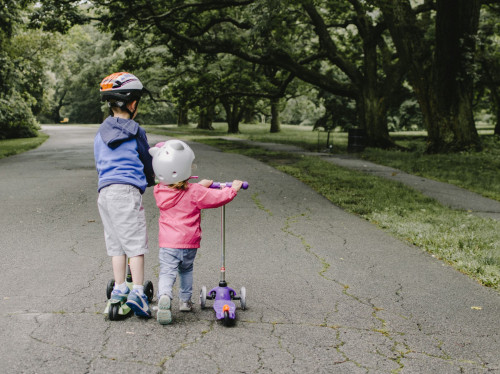
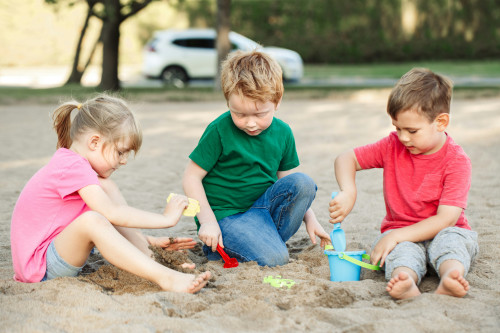
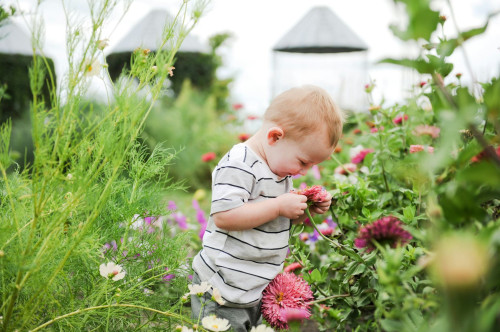
Play is a child’s natural way of exploring the world. Through play, children test ideas, express emotions, and process experiences. When they play with others, they engage in a dynamic exchange that helps them learn both leadership and cooperation.
- Imaginative play and role-playing help children understand social norms and develop empathy.
- Physical play such as tag, sports, or playground games strengthens both motor skills and teamwork.
- Creative play like building, drawing, or making music encourages problem-solving and collaboration.
The type of play matters less than the opportunity to play freely and socially. Unstructured playtime allows children to build relationships, experiment, and grow emotionally.
The Role of Adults in Children’s Social Development
While children often find friends naturally, adults play a key role in creating the conditions for positive relationships. Parents, teachers, and caregivers can support children’s social growth by:
- Providing safe and welcoming spaces for play and interaction.
- Watching for exclusion or bullying, ensuring that no child is left out.
- Talking with children about what it means to be a good friend and how to handle disagreements.
- Modeling empathy and respect, showing through their own behavior how to treat others kindly.
When adults show genuine interest in children’s social lives, it sends a powerful message that relationships matter – and that message helps children value and nurture their own friendships.
When Friendships Are Challenging
Not every child finds it easy to make friends. Some are shy, while others struggle to read social cues. In these cases, gentle support can make a big difference – for example, arranging one-on-one playdates, joining community activities, or encouraging participation in clubs or sports where shared interests can spark connections.
It’s also important to remember that friendships change over time. As children grow, their interests and social circles evolve. Learning to navigate these changes – including conflict and loss – is part of developing emotional resilience.
The Power of Belonging
Beyond individual friendships, a sense of belonging in schools and communities plays a major role in children’s well-being. When children feel accepted and valued as part of a group, they are more confident, engaged, and willing to take initiative.
Inclusive classrooms, playgrounds, and after-school programs help children feel safe to be themselves. This sense of belonging fosters a positive cycle where confidence and empathy grow together.
How Parents Can Support Social Growth
Parents can do a lot to nurture their child’s social development in everyday life:
- Talk regularly about friendships – the good moments and the difficult ones.
- Invite classmates or neighborhood kids over to play.
- Participate in school or community events to show that relationships are a family priority.
- Help your child put words to feelings and conflicts, making it easier to understand and resolve them.
Small, consistent actions can have a lasting impact on how children see themselves and others.
A Foundation for Life
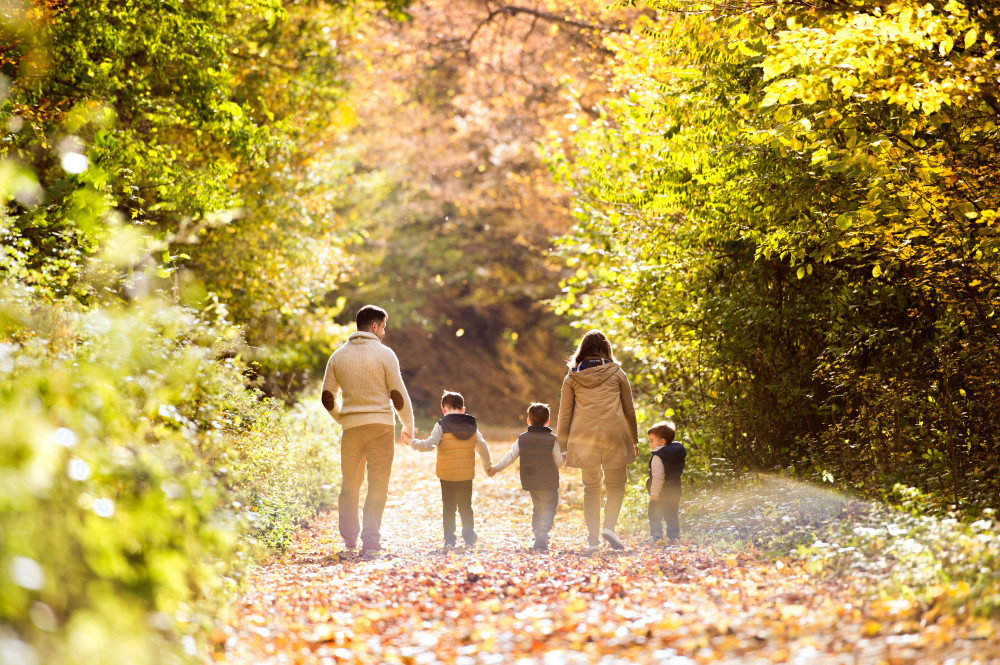
Social relationships are not just a part of childhood – they are a lifelong resource. Children who learn to build and maintain friendships are better equipped to face life’s challenges with confidence and compassion.
By giving children time, space, and encouragement to play and connect, adults invest in their well-being – and in a future society where empathy, cooperation, and respect can truly flourish.
Læs også: