Thoughtful Space Division: Create Functional Flow and Harmonious Balance in Your Home

Thoughtful Space Division: Create Functional Flow and Harmonious Balance in Your Home
Designing a home that feels both practical and peaceful is about more than just furniture placement—it’s about how spaces connect and support your daily life. Thoughtful space division helps you create flow, balance, and a sense of harmony between different functions, light, and movement. With the right approach, you can make the most of your square footage, whether you live in a compact apartment or a spacious house.
Think in Zones, Not Walls
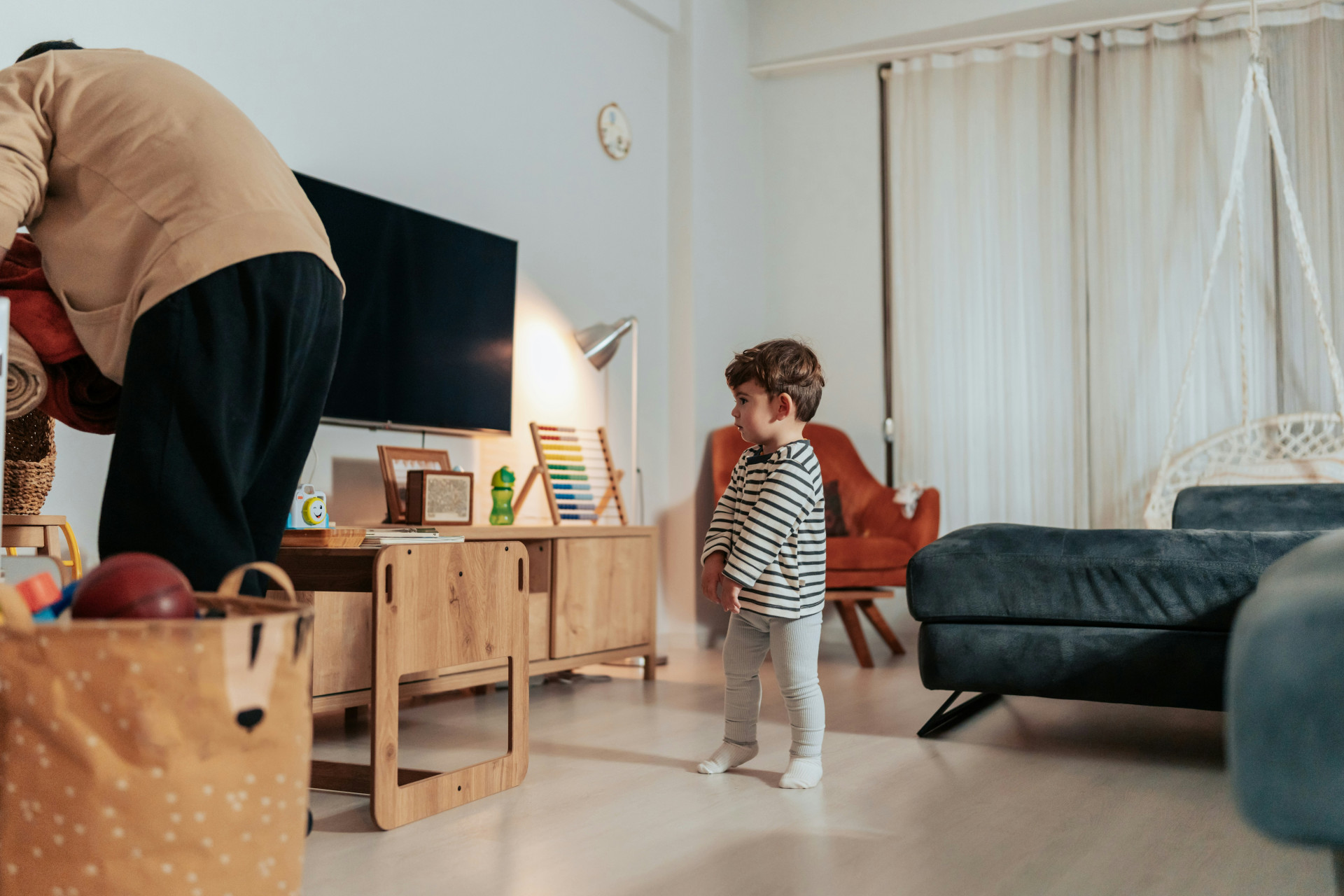
Open-concept living is popular in many American homes, offering a sense of airiness and connection. But even in open layouts, it’s important to define distinct areas for different activities. Instead of building permanent walls, you can use furniture, rugs, lighting, or color to create visual and functional zones.
- Living and dining areas can be separated with a low console, a bookshelf, or a rug that anchors each space.
- Kitchen and family room zones can be defined by a kitchen island that doubles as a prep area and social hub.
- Work-from-home corners can be marked with a folding screen, a tall plant, or a shift in lighting tone.
By thinking in zones, you maintain openness while giving each area a clear purpose and sense of calm.
Create Flow Through Intentional Movement
Good flow means you can move naturally through your home without obstacles or confusion. It’s about arranging furniture and pathways so that movement feels intuitive and effortless.
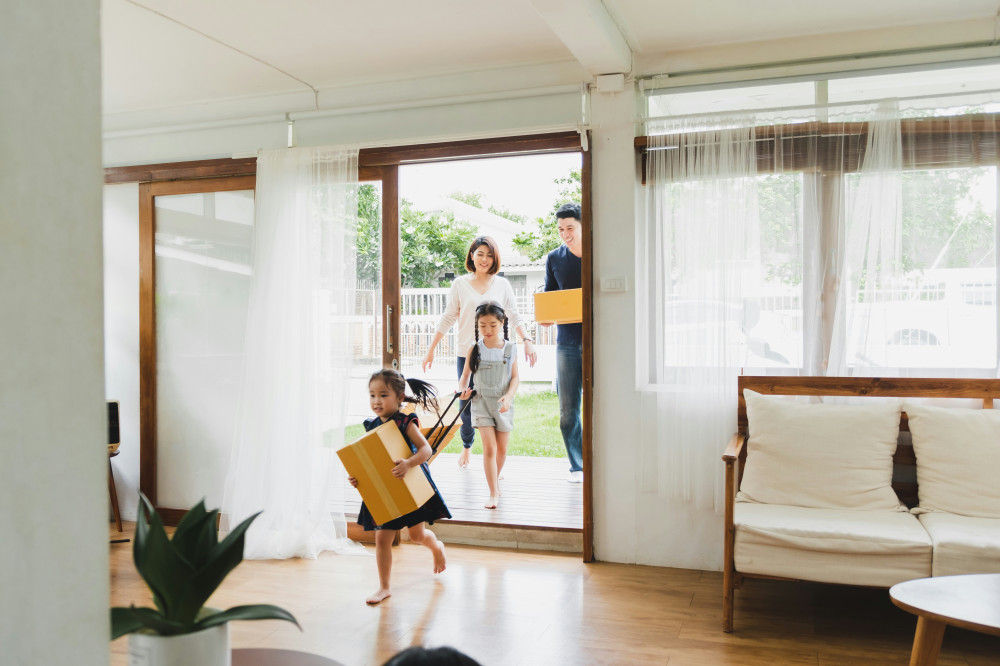
Consider how you move from one space to another: Is there a clear route from the entryway to the living room? Can you easily carry dishes from the kitchen to the dining table? Keep high-traffic areas open and uncluttered.
A simple design trick is to stand in a doorway and notice what draws your eye first. A soothing focal point—like a piece of art, a plant, or a window view—can guide movement and create a sense of direction through the space.
Use Light and Materials as Subtle Dividers
Light plays a crucial role in how we experience space. By layering natural and artificial light, you can emphasize divisions between zones without closing them off.
- Use pendant lights over the dining table to create intimacy.
- Add floor lamps or accent lighting in the living area to signal a more relaxed zone.
- Take advantage of natural light by placing workspaces near windows, while cozy reading nooks can sit in softer, shaded corners.
Materials can also help define areas. A wood-paneled accent wall, a brick surface, or a change in flooring texture can visually separate spaces while adding warmth and character.
Flexible Solutions for Smaller Homes
In apartments or smaller houses, flexibility is key. Space division can be achieved with elements that move or adapt as your needs change.
- Folding screens or curtains can quickly create privacy for guests or remote work.
- Rolling shelving units can act as temporary partitions while providing storage.
- Multifunctional furniture—like a sleeper sofa or an expandable dining table—lets one room serve multiple purposes.
Lightweight, movable pieces make it easy to reconfigure your home for everyday living or special occasions.
Læs også:

Balancing Function and Aesthetics
Space division isn’t just about practicality—it’s also about atmosphere. Too many partitions can make a home feel cramped, while a completely open space can feel chaotic. The goal is to find harmony between function and beauty.
Use colors and materials that complement each other across zones to maintain a cohesive look. Repeat small details—like a metal finish, a fabric texture, or a color accent—to tie spaces together. This creates a unified story throughout your home, even when each area serves a different purpose.
Space Division as a Living Process
Your home evolves as your life does. Children grow up, work situations change, or new hobbies emerge. Your space division should evolve too. Think of your layout as something dynamic—something you can adjust as your needs shift.
By approaching your home with flexibility and intention, you can create an environment that supports your daily rhythm and nurtures both activity and rest. Thoughtful space division helps you design not just a house, but a harmonious home that grows with you.
Læs også: