Balance Between Activity and Rest: The Key to Better Sleep for the Whole Family


Balance Between Activity and Rest: The Key to Better Sleep for the Whole Family
A good night’s sleep is essential for both children and adults—but in a busy American household filled with work, school, sports, and screens, finding the right balance between activity and rest can be a challenge. Many families notice that when the pace is high and downtime is scarce, sleep quality suffers. The good news is that small changes in daily routines can make a big difference. Here’s how your family can create a healthy rhythm where movement and relaxation work together to support better sleep.
The Body’s Natural Rhythm
Our bodies follow a circadian rhythm—a 24-hour cycle influenced by light, movement, and habits. During the day, activity and exposure to natural light help us stay alert and focused. As evening approaches, the body naturally prepares for rest. But when we stay active late into the night or spend hours in front of bright screens, that rhythm can be disrupted.
For children, this often means difficulty falling asleep. Adults may experience restlessness, racing thoughts, or waking up during the night. A consistent daily rhythm with clear transitions between activity and rest helps the body find its natural balance.
Daily Movement: The Foundation of Good Sleep
Physical activity during the day is one of the most effective ways to improve sleep quality. When the body is active, it uses energy and becomes naturally ready for rest at night.
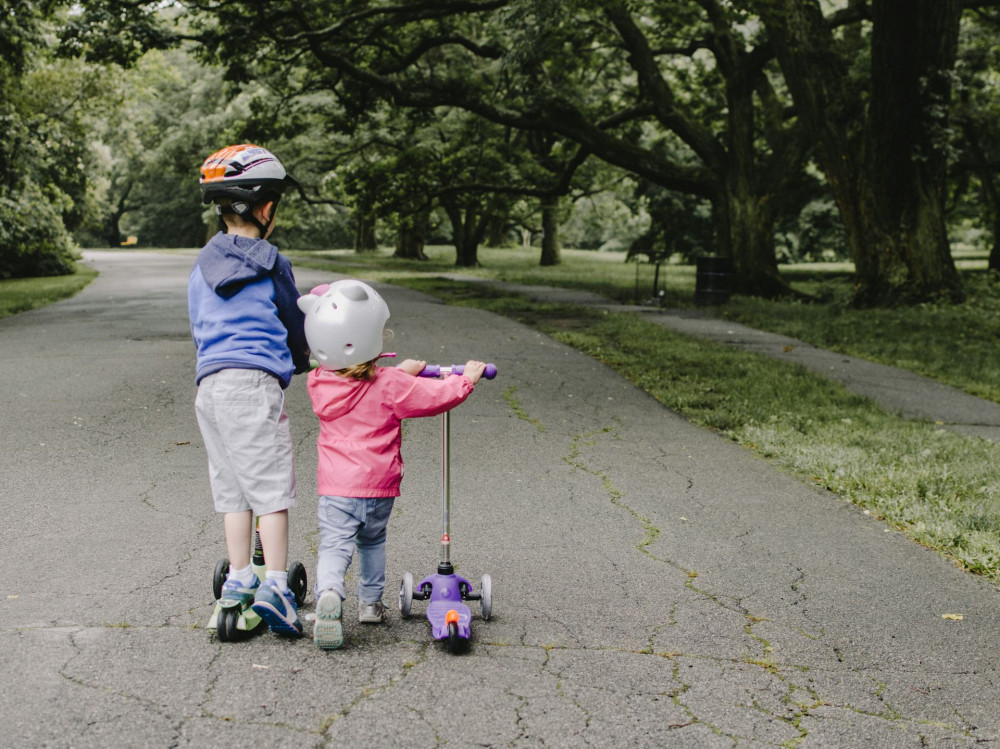
- Children need at least an hour of active play each day—preferably outdoors. Activities like biking, playground time, or sports help them burn energy and sleep more soundly.
- Adults should aim for at least 30 minutes of moderate exercise daily. A brisk walk after dinner or a short yoga session can lower stress and prepare the body for rest.
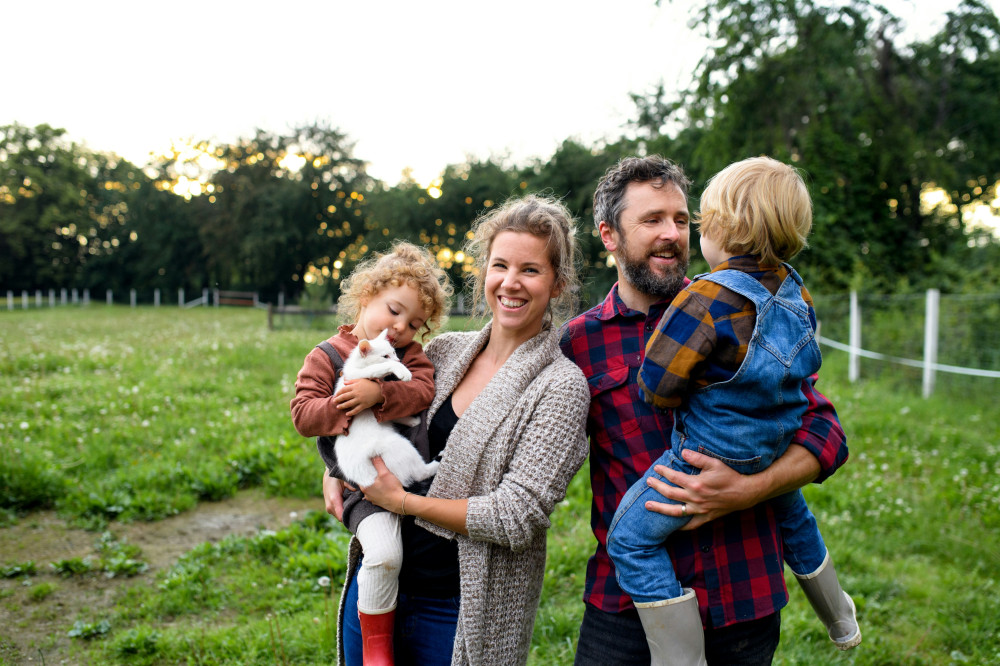
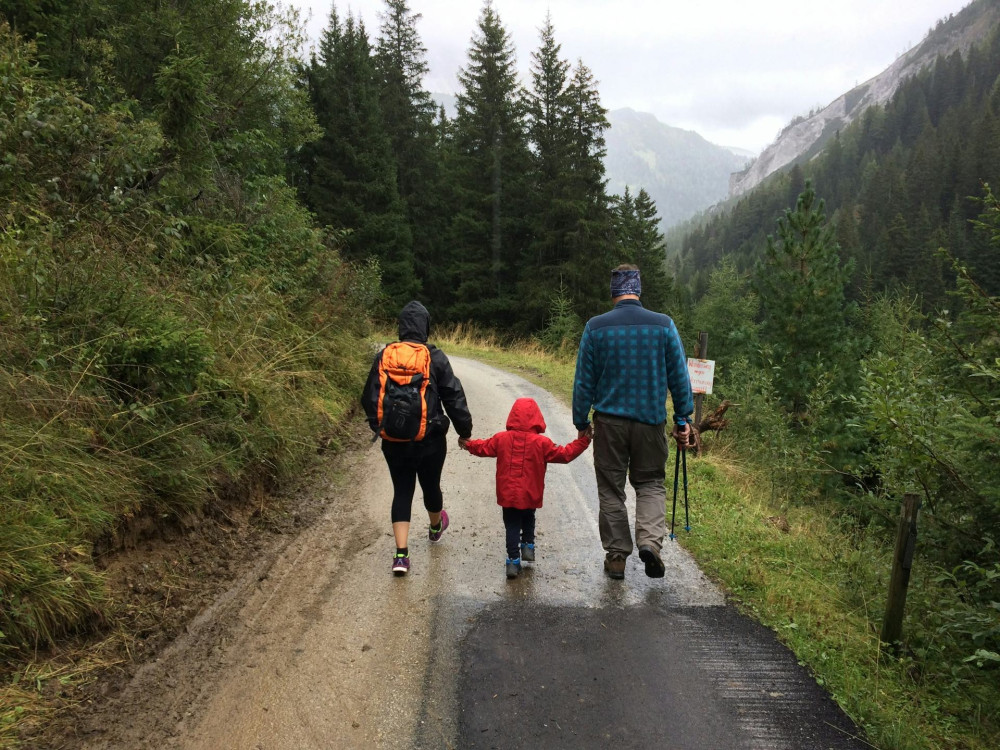
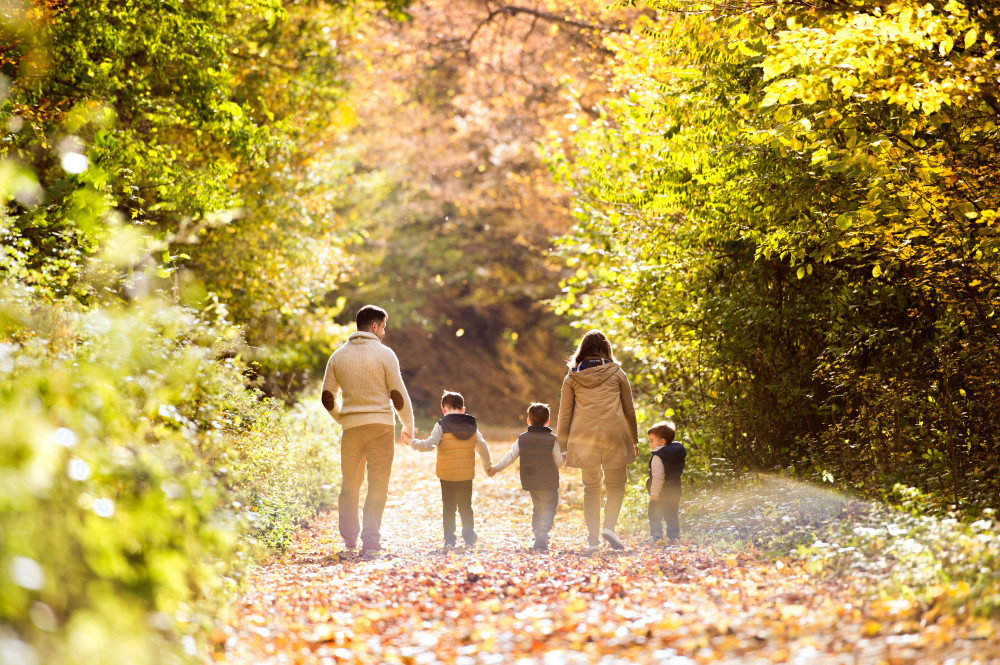
- Family activities such as hiking, playing catch, or walking the dog combine movement with togetherness and help establish healthy habits for everyone.
The goal isn’t intense training—it’s simply to keep the body moving throughout the day.
Creating Calm Evenings
Just as important as staying active is learning how to slow down. Many families find that evenings become hectic with homework, chores, and screen time. This can make it hard for both kids and adults to unwind before bed.
Try introducing a calm-down period of 30–60 minutes before bedtime:
- Turn off screens and dim bright lights.
- Create soothing routines like reading together, taking a warm bath, or listening to soft music.
- Lower the lighting in your home to signal that bedtime is near.
These small rituals help the brain shift from activity to rest, making it easier to fall asleep.
Læs også:




Sleep Habits That Support the Whole Family
Good sleep isn’t just about how many hours you get—it’s also about the quality of that rest. Here are some simple tips to strengthen your family’s sleep habits:
- Keep consistent bedtimes, even on weekends, to stabilize the body’s internal clock.
- Avoid caffeine and sugary snacks in the late afternoon and evening.
- Ensure a comfortable sleep environment—cool, dark, and quiet.
- Remove distractions such as phones, tablets, and TVs from bedrooms.
For children, predictable bedtime routines provide comfort and help signal that the day is coming to an end.
Rest Is More Than Sleep
Rest doesn’t only happen at night. Short breaks during the day can reduce stress and improve focus for both kids and adults.
- Take short, screen-free pauses to relax, draw, or simply sit together.
- Try simple breathing or mindfulness exercises as a family.
- Allow time for “doing nothing”—these quiet moments help the brain process the day’s experiences.
When rest becomes a natural part of daily life, nighttime sleep also improves.
A Family Effort That Pays Off
Finding balance between activity and rest works best when the whole family participates. Talk together about what’s working and what could change. Maybe dinner needs to happen a bit earlier, or screen time could be shortened. Small adjustments can have a big impact when they become part of a shared routine.
When everyone gets the right mix of movement and relaxation, sleep becomes deeper, moods improve, and everyday life feels a little easier for the entire family.
Læs også: