Work and Leisure: How to Talk to Kids About Life Balance

Work and Leisure: How to Talk to Kids About Life Balance
In a culture that often celebrates busyness, both adults and children can find it hard to slow down. Between work, school, sports, and social activities, families in the U.S. are juggling more than ever. Many parents want to teach their kids the value of hard work while also helping them understand the importance of rest and play. But how do you start that conversation without adding more pressure? Here are some ways to talk with your children about balance—and to model it in everyday life.
Show, Don’t Just Tell
Kids learn more from what they see than from what they hear. If you’re constantly checking work emails at the dinner table or skipping breaks, your children will assume that’s normal. The first step in teaching balance is showing it yourself.
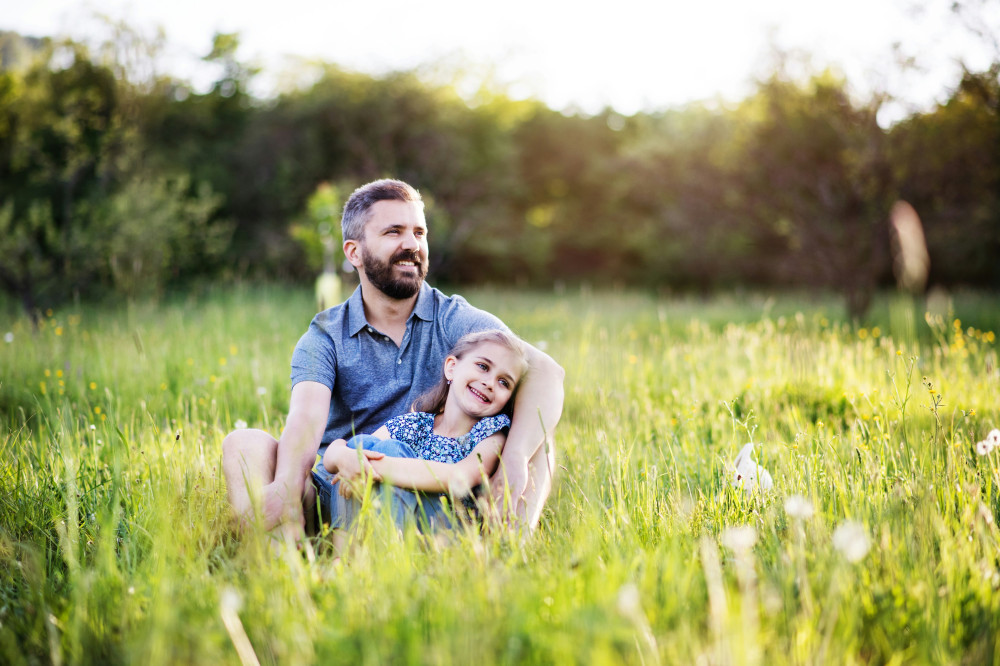
Let your kids see you take time off, go for a walk, or enjoy a hobby. Explain why you’re doing it: “I need a break to recharge so I can do my best work later.” When children see that rest is part of being responsible—not the opposite of it—they begin to understand that downtime has real value.
Talk About the Difference Between Busy and Fulfilled
American kids often grow up believing that being busy equals being successful. Between school, sports, and extracurriculars, their schedules can fill up fast. You can help them reflect on what truly matters by asking questions like:
- What activities make you happiest during the week?
- Are there things you do because you want to—or because you feel you have to?
- When do you feel most relaxed?
These conversations help children recognize what gives them energy and what drains it. It’s not about doing less for the sake of it, but about doing what feels meaningful.
Create Family Routines That Bring Calm
Balance isn’t just about cutting back—it’s about creating rhythm and predictability. Shared routines can give kids a sense of security and help everyone unwind.
Try small habits such as:
- A no-screens hour before bedtime.
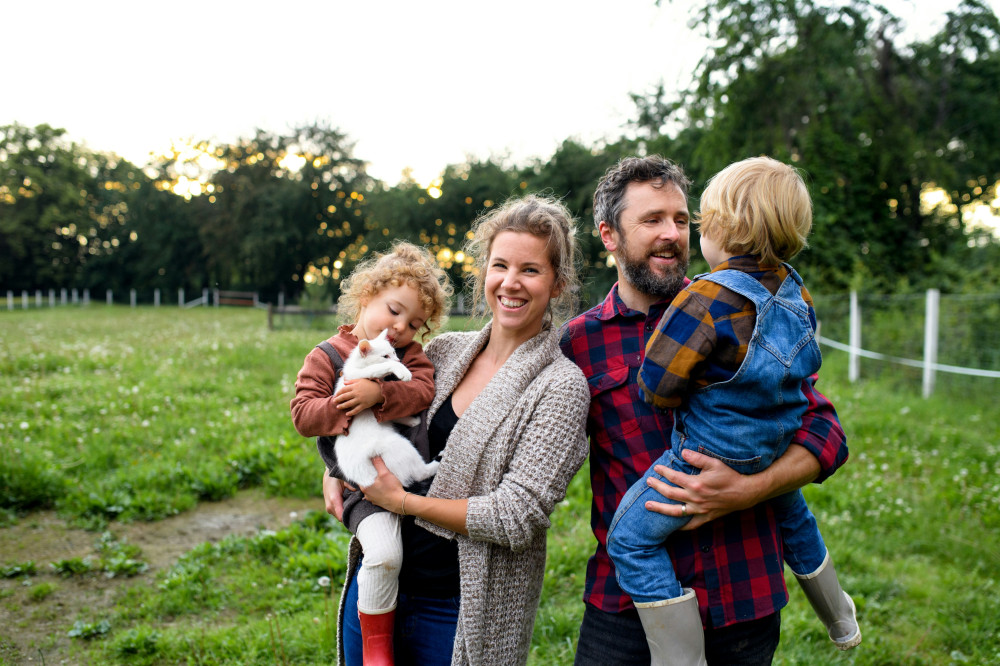
- A weekly family night with no outside plans.
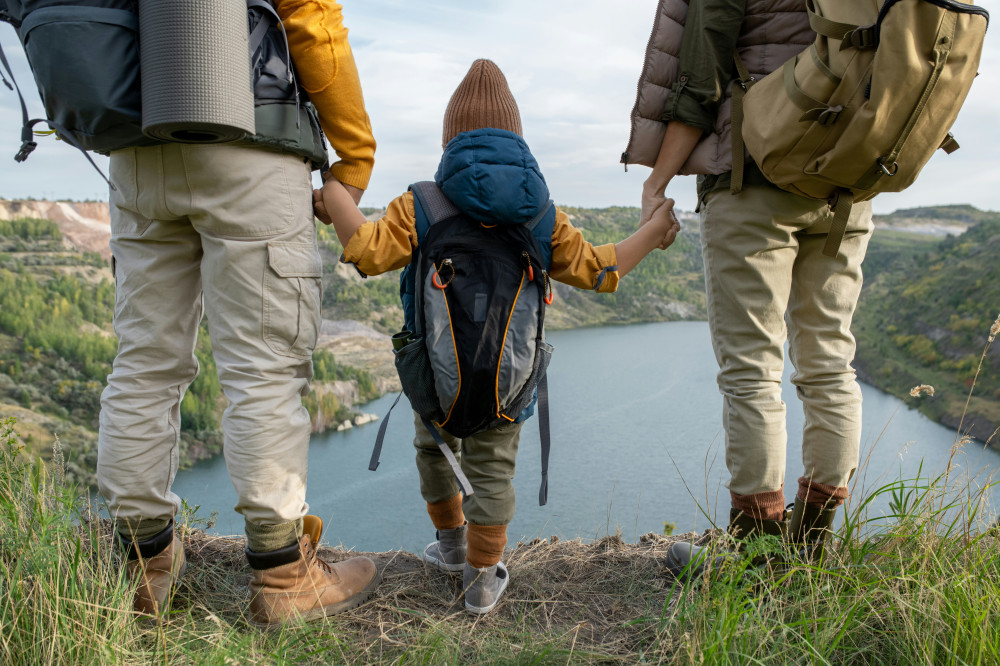
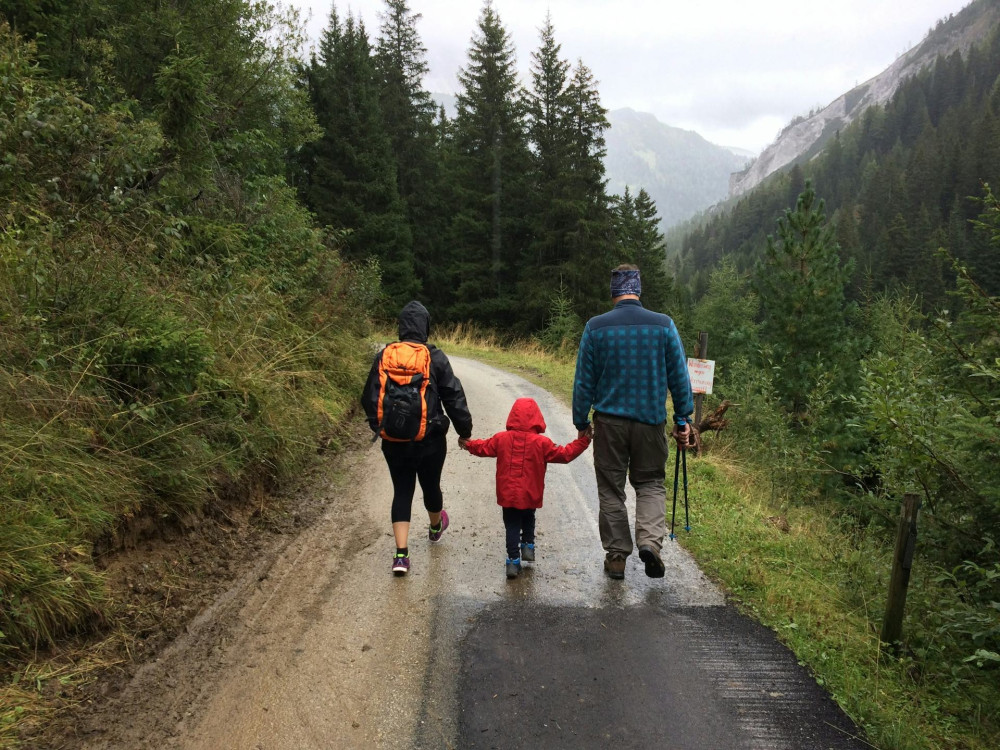
- A short walk together after dinner.
When relaxation becomes part of the family schedule, it stops feeling like an afterthought and starts feeling like a priority.
Listen to Their Experience of Pressure
Even young children can feel stressed—by schoolwork, sports, or social expectations. It’s important to take their feelings seriously, even if their worries seem small from an adult perspective. Ask open-ended questions and listen without judgment. Avoid quick reassurances like “Don’t worry about it.” Sometimes, what kids need most is to feel heard.
Once they’ve shared how they feel, you can work together to make small changes—maybe dropping one activity, adjusting homework routines, or simply building in more downtime.
Make Room for Boredom
In a world of constant entertainment, boredom can seem like something to avoid. But it’s actually a gift. When kids have unstructured time, they learn creativity, independence, and self-awareness.
You can encourage this by not rushing to fill every empty moment. If your child says, “I’m bored,” try responding, “That’s okay—sometimes the best ideas come when you have nothing to do.” It teaches them that stillness and imagination go hand in hand.
Explain That Balance Looks Different for Everyone
There’s no single formula for balance. Some kids thrive on multiple activities; others need more quiet time. What matters most is that your child feels rested, safe, and happy. Talk about how balance can change over time—some weeks are busier, others slower—and that’s perfectly normal. Life moves in seasons, and learning to adjust is part of growing up.
Læs også:



When You Lose Balance Yourself
Every parent has moments when work takes over or stress builds up. Instead of hiding it, use it as a teaching moment. You might say, “I’ve been working too much lately, and I need to take a break.” Show your child how you reset—by saying no to extra commitments, taking a day off, or asking for help. This models that balance isn’t about perfection; it’s about awareness and self-care.
A Shared Journey Toward Balance
Talking to kids about balance isn’t a one-time conversation—it’s an ongoing dialogue. It’s about building a shared understanding of what it means to take care of ourselves and each other. When children see their parents striving for balance, they learn that it’s something worth practicing, not just talking about.
Balance isn’t a destination; it’s a lifelong skill. The best gift you can give your child isn’t a perfectly managed schedule, but the example of someone who knows when to pause, breathe, and choose peace.
Læs også: