Children’s Clothing That Encourages Independence: Easy to Put On and Take Off

Children’s Clothing That Encourages Independence: Easy to Put On and Take Off
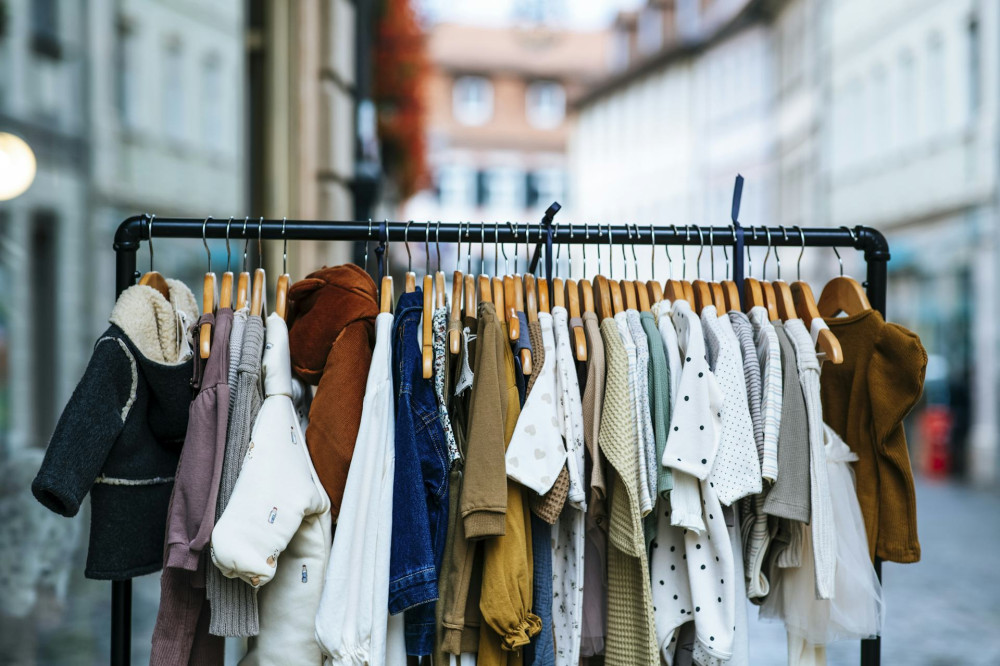
When children start dressing themselves, it’s a big step toward independence. It helps build their motor skills, confidence, and sense of responsibility. But for this milestone to be a positive experience rather than a daily struggle, the right clothing makes all the difference. The right pieces can help kids manage on their own while still being comfortable, practical, and cute.
Here’s how to choose clothing that makes it easier for children to dress themselves—and supports their growth and confidence every day.
Why Dressing Independence Matters
Learning to dress independently is more than just a practical skill. It gives children a sense of accomplishment and control over their own bodies. When they can choose and put on their own clothes, they practice decision-making, patience, and fine motor coordination.
For parents, it also means less stress during busy mornings—especially once the child becomes familiar with the routine and can handle more on their own.
Choose Clothes with Simple Fastenings
Little hands need clothing that doesn’t require too much dexterity. Avoid complicated buttons, tiny zippers, and laces that can be frustrating for young children.
Instead, look for:
- Elastic waistbands on pants and skirts – easy to pull up and down.
- Velcro closures on shoes and jackets – quick and intuitive for kids.
- Large zipper pulls – easier to grip and maneuver.
- Snap buttons instead of small traditional buttons – especially on shirts and bodysuits.
The more a child can do independently, the more motivated they’ll be to keep trying.
Dress for Age and Development
A two-year-old’s needs are very different from those of a five-year-old. Younger children benefit from soft, flexible clothing that allows free movement, while older kids can start practicing with more detailed fastenings.
- Ages 1–3: Focus on stretchy fabrics, elastic openings, and roomy fits.
- Ages 3–5: Introduce simple zippers and Velcro so they can practice coordination.
- Ages 5 and up: Let them choose clothing with more details—this builds both motor skills and personal style.
Above all, make sure the clothes fit well and aren’t too tight. Restrictive clothing can make it harder for kids to move freely and dress themselves.
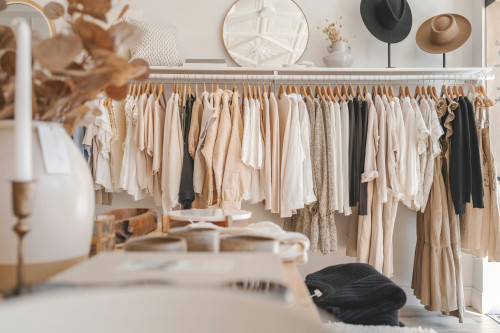
Keep the Closet Organized
Even the most practical clothes won’t help if your child can’t find them. An organized closet makes it easier for kids to choose and dress themselves.
- Store clothes within their reach.
- Sort by type—pants in one drawer, shirts in another.
- Use labels, pictures, or color codes to show where things belong.
When children can find and put away their own clothes, it becomes a natural part of their daily routine.
Læs også:

Practical Clothing for Everyday Life
Independence also means having clothes that fit your child’s daily activities. At preschool or daycare, they need outerwear that’s easy to manage, while at home, it’s about being able to change after playtime or meals.
Choose clothing that:
- Can handle frequent washing.
- Allows freedom of movement.
- Mixes and matches easily—so your child can make choices without clashing outfits.
A helpful idea is to have a few “independence outfits”—sets your child knows they can put on without help.
Give Time and Praise
Even the most practical clothing can’t replace patience. Learning to dress independently takes time and practice. Give your child extra time in the morning, and praise their effort—even when it’s not perfect.
When children feel proud of what they can do, they’re eager to try again. And with the right clothing, the journey toward independence becomes easier, happier, and full of confidence.
Læs også: