Plan your clothing purchases to fit your wardrobe and your needs

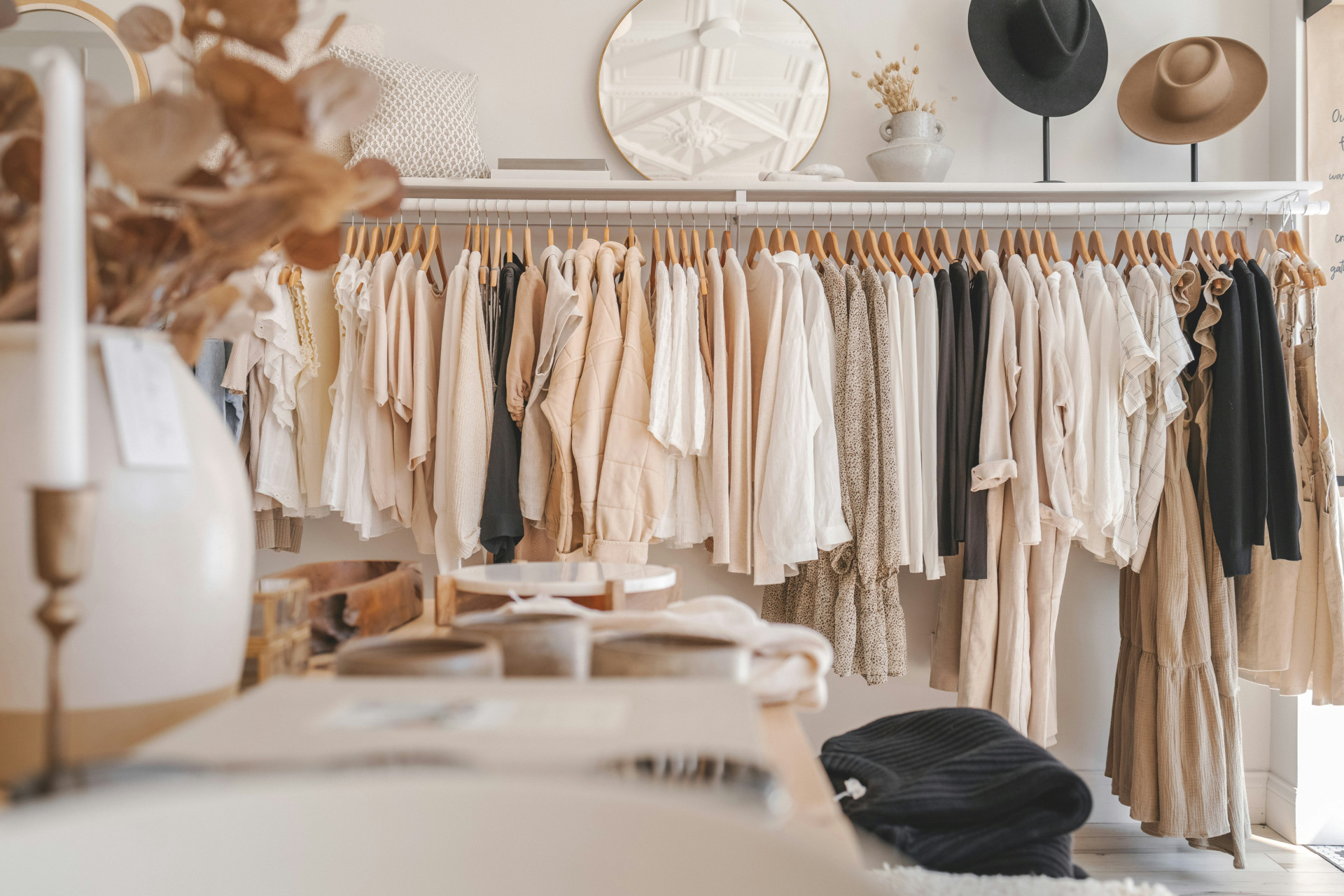
Plan your clothing purchases to fit your wardrobe and your needs
Shopping for clothes can be exciting—but also overwhelming. Many of us end up with impulse buys that rarely get worn, while still feeling like we have “nothing to wear.” With a bit of planning, you can build a wardrobe that works for your lifestyle, saves you money, and makes getting dressed easier every day. Here’s how to plan your clothing purchases so they truly fit your wardrobe and your needs.
Start by knowing what you already own
Before you buy anything new, take stock of what’s in your closet. Set aside some time to go through everything—clothes, shoes, outerwear, and accessories. Lay it all out so you can see what you have.
- Sort by category: Workwear, casual wear, activewear, special occasion outfits, etc.
- Check condition: Are there items that need repair, cleaning, or replacement?
- Identify your favorites: Which pieces do you wear most often—and why?
Once you know what you have, it’s easier to see what’s missing and what you should stop buying duplicates of.
Læs også:

Define your style and your lifestyle needs
Your clothes should not only look good but also fit your daily life. Think about how you spend your week: How much time do you spend at work, at home, exercising, or socializing? Your wardrobe should reflect that balance.
Make a list of the situations you dress for most often. If you work in an office but commute by public transit, you’ll need clothes that are both professional and comfortable. If you work remotely, you might prioritize versatile, comfortable pieces that still look put-together for video calls.
Next, define your personal style. Look at the colors, cuts, and fabrics you feel best in. This helps you choose new pieces that coordinate easily and that you’ll actually enjoy wearing.
Make a plan—and a budget
A well-planned wardrobe isn’t about buying more; it’s about buying smarter. Create a list of what you truly need and rank those items by priority. Maybe it’s a quality winter coat, a pair of well-fitting jeans, or a classic white shirt that goes with everything.
Set a realistic budget to guide your purchases. This helps you avoid impulse buys and focus on investing in quality where it matters. A good rule of thumb is to think in terms of cost per wear—a higher-priced item you wear often is a better investment than a cheap one that sits in your closet.
Think in combinations
When you’re considering a new purchase, ask yourself: Can I wear this with at least three things I already own? If not, it might not be the right addition.
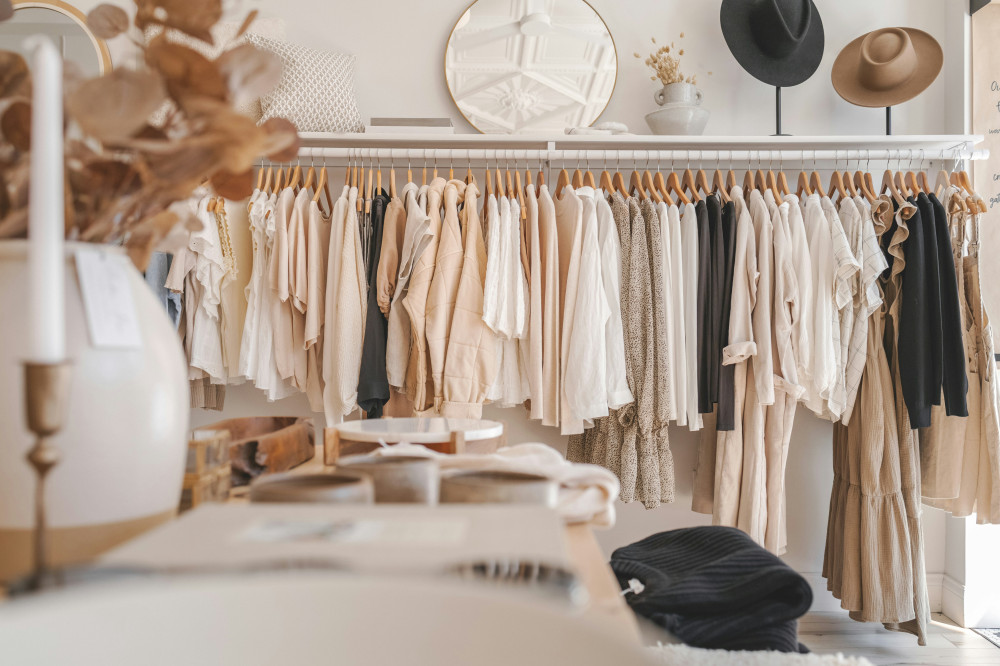
A functional wardrobe is built on pieces that mix and match easily. Neutral colors like black, navy, gray, beige, and white form a solid foundation, while a few accent colors or patterns can add personality.
Layering is also key, especially in places with changing seasons. Basic items like T-shirts, cardigans, and jackets can be worn year-round in different combinations.
Buy with care—and an eye for quality
Quality pays off. Well-made clothes last longer, look better, and feel more comfortable. Look for natural fabrics like cotton, wool, linen, and silk, and pay attention to fit and stitching.
Always try things on if possible. Clothes that fit well are the ones you’ll actually wear, while ill-fitting pieces tend to get ignored.
Also consider sustainability. Can you buy secondhand, swap with friends, or choose brands that produce responsibly? It’s better for the planet—and for your conscience.
Maintain and update regularly
A well-planned wardrobe needs a little upkeep. Wash and store your clothes properly so they last longer. Repair small issues before they become big ones, and donate or sell items you no longer wear.
Do a closet review twice a year—spring and fall are good times—to assess what still works and what needs replacing. This keeps your wardrobe aligned with both the season and your current lifestyle.
A wardrobe that works for you
When you plan your clothing purchases, you gain more than just an organized closet—you gain peace of mind. You’ll save time getting dressed, feel more confident in what you wear, and avoid unnecessary spending.
It’s not about having a lot of clothes, but about having the right clothes. A wardrobe that fits your life and your style makes every day a little easier—and a lot more enjoyable.
Læs også: