Equality in Transition: How Do the New Generations View the Future?


Equality in Transition: How Do the New Generations View the Future?
For decades, equality has been a cornerstone of social progress in the United States — from the civil rights movement and women’s liberation to the ongoing fight for LGBTQ+ rights and racial justice. But today’s younger generations are redefining what equality means. For them, it’s not just about access or representation; it’s about inclusion, identity, and the freedom to live authentically. How do they see the future — and what kind of equality are they striving for?
From Struggle to Collaboration
Where earlier generations fought for fundamental rights, many young Americans now see equality as a given — or at least as something that should be. They’ve grown up in a world where women lead companies, men take parental leave, and gender roles are increasingly fluid. Yet they also recognize that equality is not complete. It requires constant attention, conversation, and action.
Instead of framing equality as a battle between groups, many young people view it as a shared responsibility. They prefer dialogue over confrontation and believe that fairness benefits everyone — regardless of gender, race, or identity. For them, equality is not a zero-sum game but a collective goal.
Læs også:



Shifting Values in the Workplace
The workplace is one of the clearest arenas where generational change is visible. While older generations often measured success by salary and status, younger workers tend to value flexibility, purpose, and well-being. They want workplaces that support both career growth and personal life — where taking parental leave or prioritizing mental health isn’t seen as a lack of ambition.
Diversity, equity, and inclusion are no longer optional for many young employees; they’re expectations. Companies that fail to reflect these values risk losing talent. For Generation Z and younger millennials, equality isn’t a corporate initiative — it’s part of the culture they want to build.
Identity, Expression, and Freedom
Younger generations are also expanding the conversation about identity. Many see gender as a spectrum rather than a binary, and they advocate for language and policies that reflect that understanding. They want schools, workplaces, and communities where people can express themselves without fear of judgment or discrimination.
This shift has sparked debate across generations. Some worry that traditional norms are being erased, while others see this evolution as a step toward greater freedom and authenticity. What unites most young people, however, is a desire for respect — the right to define themselves on their own terms.
Equality at Home
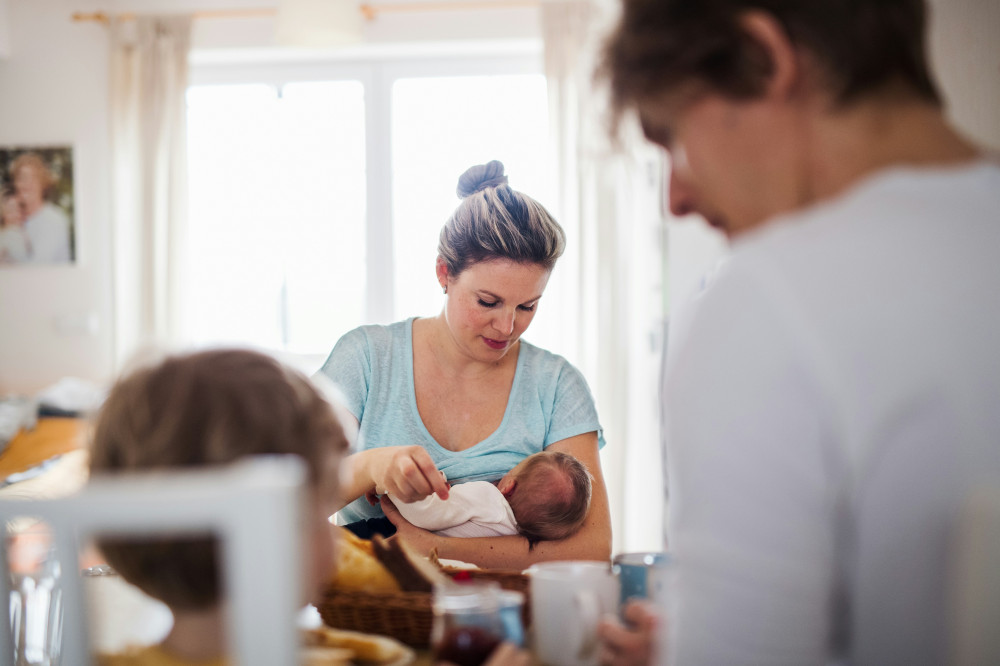
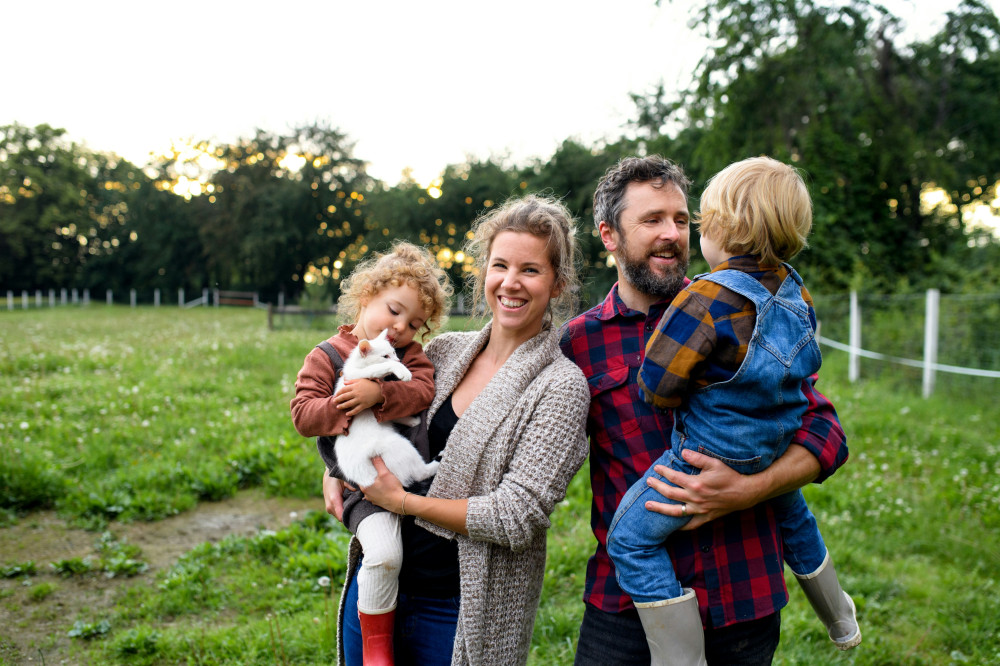
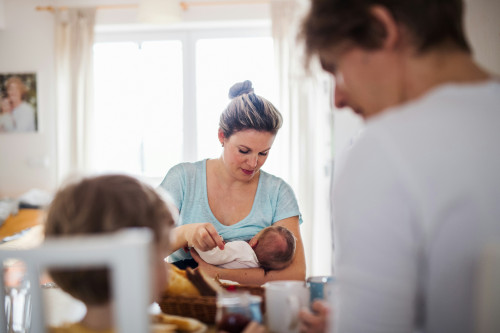
The transformation is also visible in private life. More young couples aim to share household responsibilities and parenting equally. Many men want to be more present in family life, and many women expect their careers to be valued as much as their partners’.
Still, the gap between ideals and reality remains. Studies show that women often continue to shoulder more domestic work, even in households that value equality. The challenge for the new generations is to turn their principles into practice — to make equality not just a belief, but a daily habit.
A Future Built on Shared Responsibility
When young Americans talk about equality, one theme stands out: community. They don’t see it as a competition between groups but as a collective effort to create a fairer, more sustainable society. They want to build on the progress of previous generations, but in their own way — with an emphasis on empathy, balance, and inclusion.
Equality today is about more than rights; it’s about relationships, culture, and values. And if the new generations have their say, the future will be more diverse, more flexible, and perhaps more equal than ever before.
Læs også: