Know Your Cycle – and Use That Knowledge to Plan Pregnancy

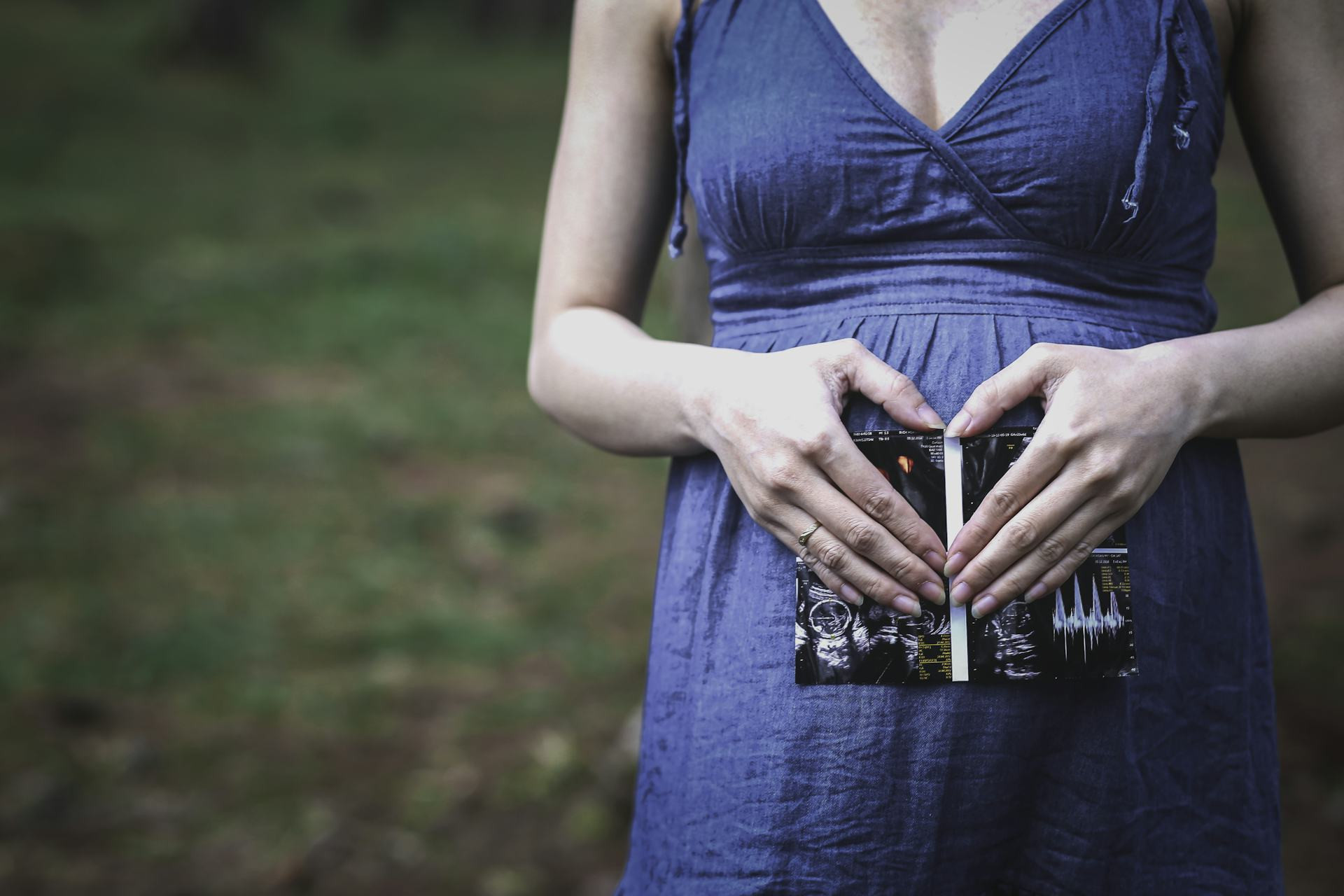
Know Your Cycle – and Use That Knowledge to Plan Pregnancy
Understanding your menstrual cycle isn’t just about knowing when your period starts and ends. It’s about recognizing your body’s natural rhythm, hormones, and signals—and using that knowledge to make informed choices about your fertility. Whether you’re hoping to conceive or simply want to understand your body better, learning how your cycle works can be empowering.
What Is the Menstrual Cycle?
A typical menstrual cycle lasts about 28 days, though anything between 21 and 35 days is considered normal. The cycle begins on the first day of your period and ends the day before your next one starts. It can be divided into four main phases:
- Menstrual phase – when the uterine lining sheds and bleeding occurs.
- Follicular phase – when your body prepares for ovulation and an egg matures in the ovary.
- Ovulation phase – when the mature egg is released and can be fertilized.
- Luteal phase – when your body prepares for a possible pregnancy. If the egg isn’t fertilized, hormone levels drop and a new period begins.
Knowing these phases helps explain why your energy, mood, and even body temperature can fluctuate throughout the month.
How to Recognize Ovulation
Ovulation is the time in your cycle when you’re most fertile. It usually happens about 12–16 days before your next period. There are several signs that can help you identify it:
- Changes in cervical mucus – around ovulation, it becomes clear, stretchy, and slippery, similar to egg whites.
- Slight rise in body temperature – your basal body temperature increases slightly (about 0.5°F to 1°F) after ovulation.
- Mild pelvic discomfort – some people feel a brief twinge or ache on one side when the egg is released.
- Increased libido – many notice a natural boost in sexual desire around ovulation.
By tracking these signs over several months, you can learn when you typically ovulate—and when you’re most or least fertile.
Using Your Knowledge to Plan Pregnancy
If you’re trying to conceive, it helps to know your fertile window—the days when you’re most likely to get pregnant. An egg can be fertilized for up to 24 hours after ovulation, but sperm can survive in the reproductive tract for up to five days. That means having intercourse in the days leading up to and including ovulation gives you the best chance of conception.
You can track your cycle using several methods:
- Calendar method – record your periods to estimate when ovulation usually occurs.
- Basal body temperature method – take your temperature each morning before getting out of bed to detect the post-ovulation rise.
- Cervical mucus method – observe changes in vaginal discharge to identify your most fertile days.
- Ovulation predictor kits – available at most U.S. drugstores, these tests detect a surge in luteinizing hormone (LH) in your urine, signaling that ovulation is near.
Many people combine these methods for a more accurate picture of their cycle.
Læs også:

When You Want to Avoid Pregnancy
The same knowledge can be used to avoid pregnancy, but it requires consistency and attention to detail. Fertility awareness–based methods (sometimes called natural family planning) involve avoiding unprotected sex during fertile days. These methods can be effective when practiced correctly, but they demand careful tracking and discipline.
If your cycle is irregular or you prefer a more reliable option, consider combining fertility awareness with another form of contraception, such as condoms, birth control pills, or an IUD. Your healthcare provider can help you choose what’s best for you.
What Can Affect Your Cycle?
Many factors can influence your menstrual cycle—both physical and emotional. Stress, lack of sleep, significant weight changes, illness, and travel can all shift ovulation timing. It’s normal for your cycle to vary slightly from month to month.
However, if your periods are very irregular, extremely painful, or stop altogether, it’s a good idea to talk with your doctor or a gynecologist. Conditions such as polycystic ovary syndrome (PCOS), thyroid disorders, or endometriosis can affect your cycle and fertility.
A Path to Better Body Awareness
Knowing your cycle isn’t just about fertility—it’s about understanding how your hormones shape your energy, mood, and overall well-being. Many people find that tracking their cycle helps them plan their schedules, workouts, and self-care more effectively.
By paying attention to your body’s signals, you can build a stronger connection with yourself and make informed choices—whether you’re hoping to conceive, prevent pregnancy, or simply live more in tune with your body’s natural rhythm.
Læs også: