From Tradition to Personal Farewell: How Our View of Funerals Has Changed Over Time
From Tradition to Personal Farewell: How Our View of Funerals Has Changed Over Time
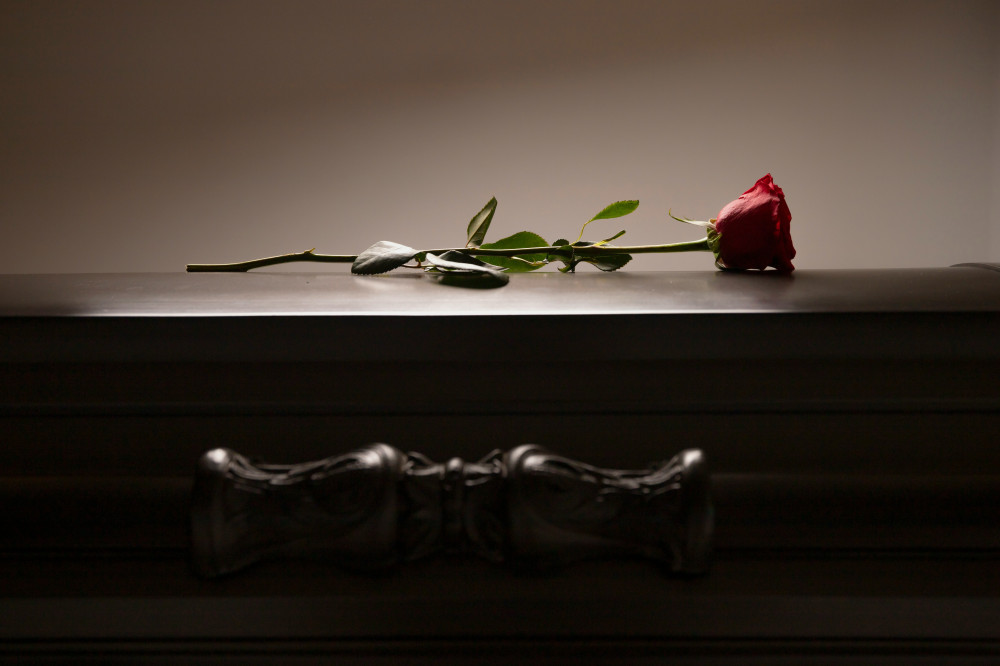
Funerals have always been a way for people to say goodbye, to honor a life, and to find comfort in community. Yet the way Americans approach this final farewell has changed dramatically over the past century. Once guided almost entirely by religious and cultural traditions, funerals today are increasingly personal, creative, and reflective of individual lives. From church services and black attire to celebrations of life with favorite songs, photos, and even outdoor gatherings, our understanding of what it means to say goodbye has evolved alongside society itself.
From Fixed Rituals to Personal Choices
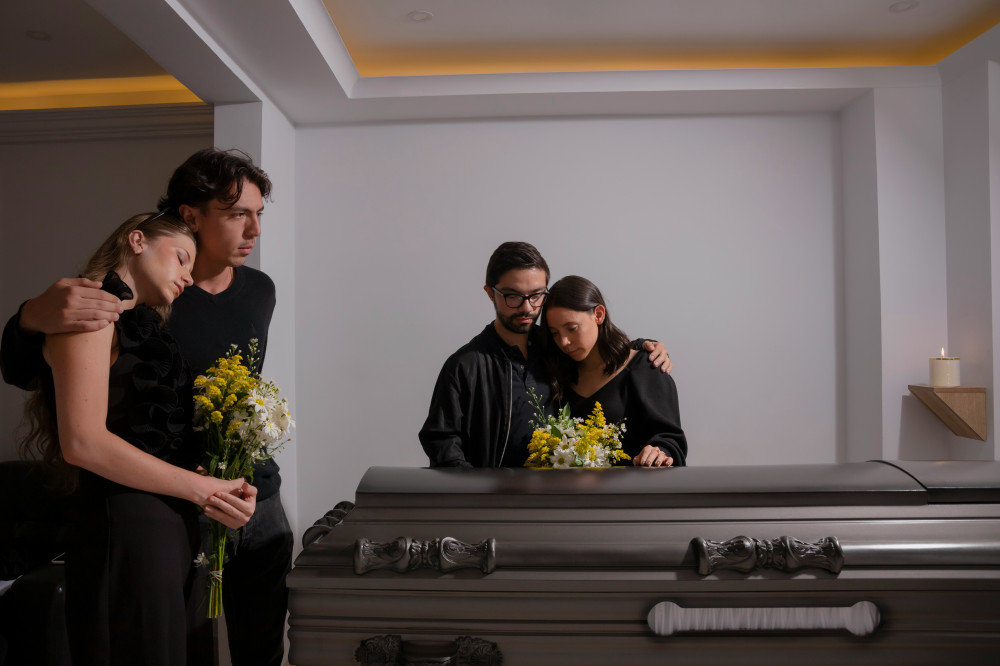
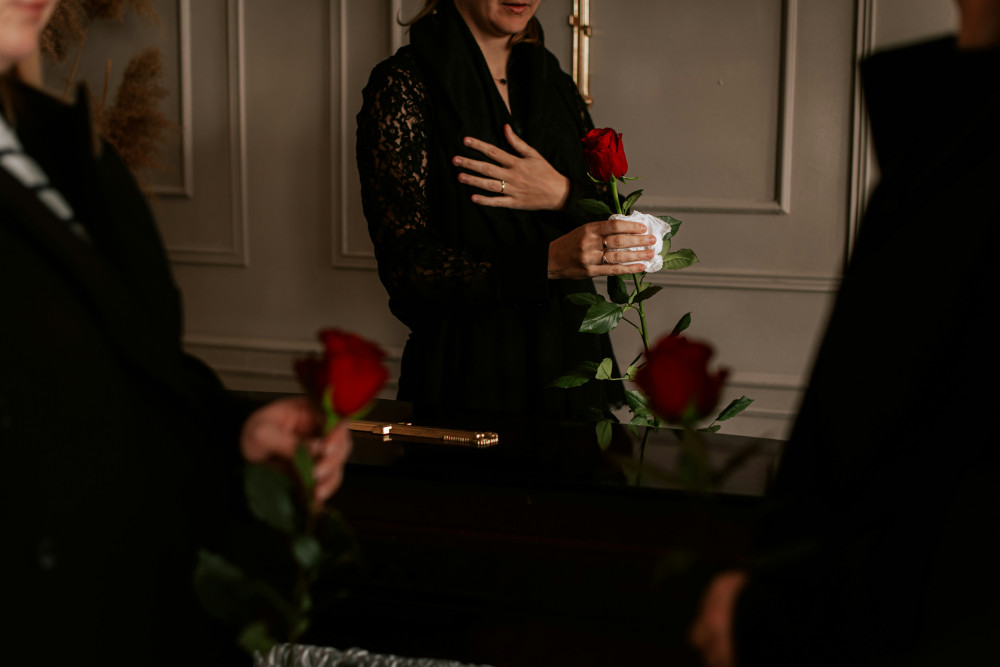
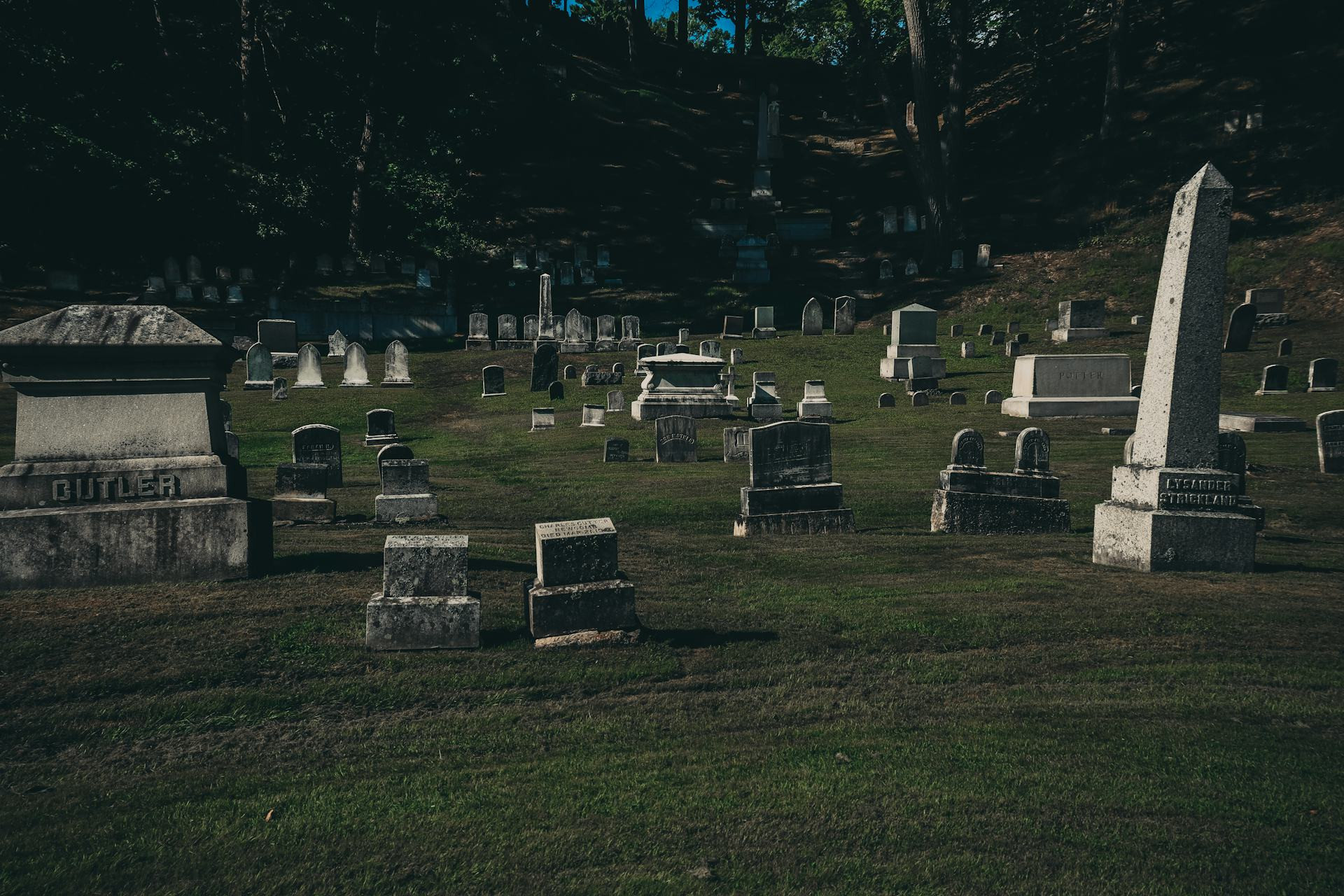
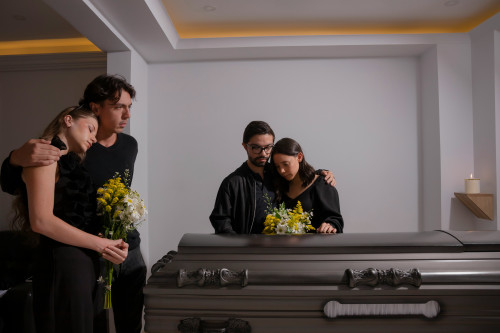
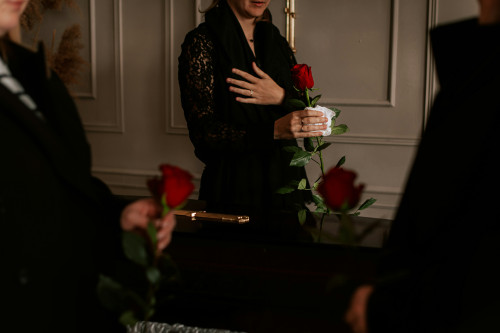
For much of American history, funerals followed a familiar pattern. Services were held in churches or funeral homes, led by clergy, and followed by burial in a local cemetery. There were clear expectations about mourning attire, etiquette, and ceremony. The focus was often on faith, loss, and the hope of an afterlife.
Today, that picture looks very different. Many families choose non-religious or “celebration of life” ceremonies, often held in parks, community centers, or even private homes. The music might range from classical hymns to the deceased’s favorite rock or country songs. Eulogies are more personal, focusing on stories, humor, and the unique qualities of the person who has passed. The goal is no longer just to follow tradition, but to create a farewell that feels authentic and meaningful.
Individualism and Changing Values
This shift reflects broader cultural changes in the United States. As religious affiliation has declined and individualism has grown, more people want their final farewell to express who they were. Funerals have become less about ritual and more about storytelling — a reflection of a life lived rather than a formal acknowledgment of death.
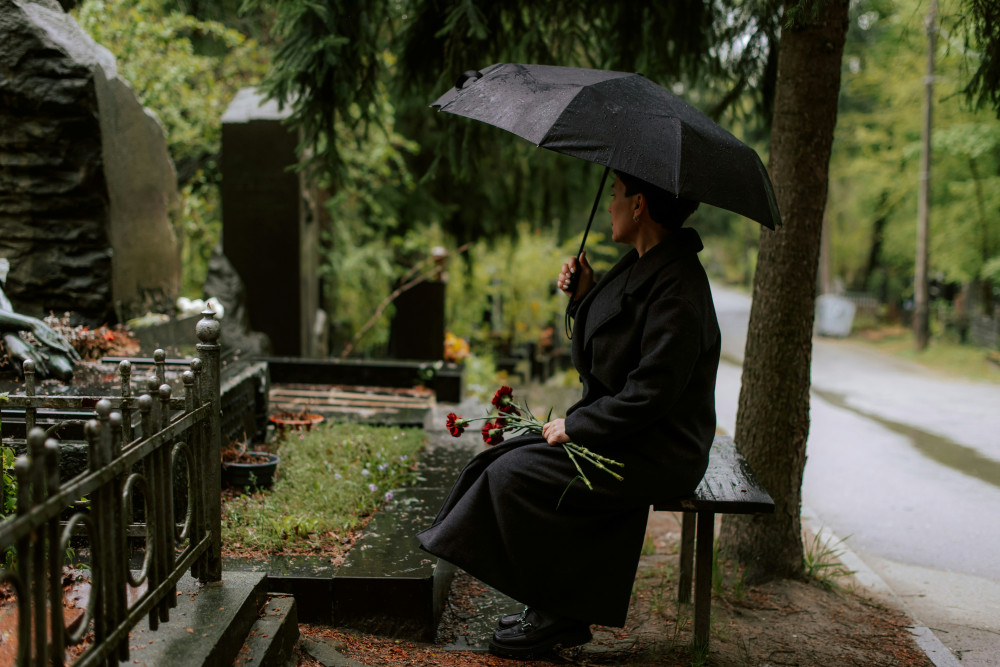
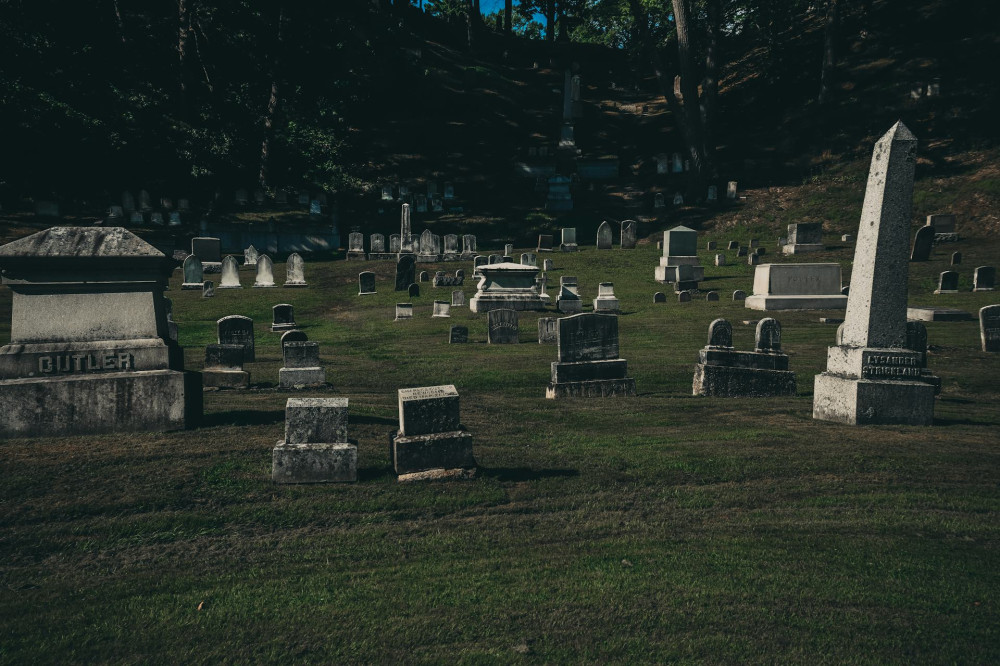
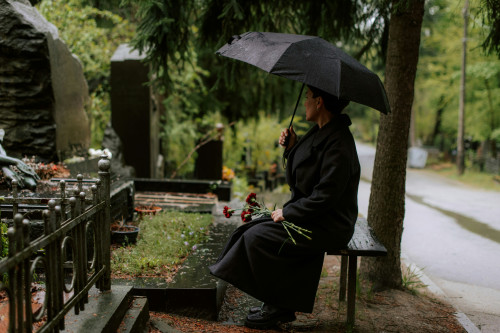
This change is also visible in burial choices. Traditional family plots are less common, while cremation rates have risen sharply. Some choose to have their ashes scattered in a favorite place — the ocean, a mountain trail, or a family garden. Others opt for columbariums, memorial forests, or even biodegradable urns that grow into trees. These choices reflect a desire for freedom, environmental awareness, and a more personal connection to the natural world.
Læs også:
New Ways of Gathering and Remembering
Even as funerals become more individualized, the need for community remains strong. Many families now hold informal memorials weeks or months after a death, giving loved ones time to travel and prepare. Digital memorial pages and social media tributes have also become common, allowing friends and relatives across the country to share memories, photos, and messages of support.
These new forms of remembrance show that while the rituals may change, the human need to connect, grieve, and celebrate remains constant. Whether in person or online, people continue to find ways to honor those they’ve lost.
The Rise of Green and Sustainable Funerals
In recent years, environmental awareness has also influenced how Americans approach death. Green burials — where bodies are laid to rest without embalming fluids, in biodegradable caskets, and in natural settings — are gaining popularity. Some cemeteries now double as conservation areas, where wildflowers and trees replace headstones. For many, this approach represents a final act of care for the planet and a continuation of values held in life.
Cremation, too, is being reimagined with sustainability in mind. Options like water cremation (alkaline hydrolysis) and eco-friendly urns are becoming more accessible, reflecting a growing desire to leave a lighter footprint, even in death.
Talking About Death More Openly
Perhaps the most profound change is how openly people now talk about death. What was once a taboo subject is increasingly part of everyday conversation. More Americans are pre-planning their funerals, writing advance directives, and discussing their wishes with family. This openness can bring comfort and clarity, reducing stress for loved ones when the time comes.
The language around death has also softened. Instead of “funerals” and “mourning,” people speak of “celebrations of life” and “farewells.” The focus has shifted from loss to legacy — from what is gone to what remains.
From Tradition to Personal Story
Modern funerals in the United States are no longer just about following a set of customs; they are about telling a story — the story of a life. Through music, photos, words, and symbols, families create ceremonies that reflect love, personality, and meaning. Planning a farewell has become, for many, a way to heal and to honor the person they knew.
While the rituals may evolve, the purpose remains the same: to find comfort, connection, and a sense of closure. In the end, our changing view of funerals reminds us that saying goodbye is not only about death — it is also about life, and the many ways we choose to celebrate it.
Læs også: