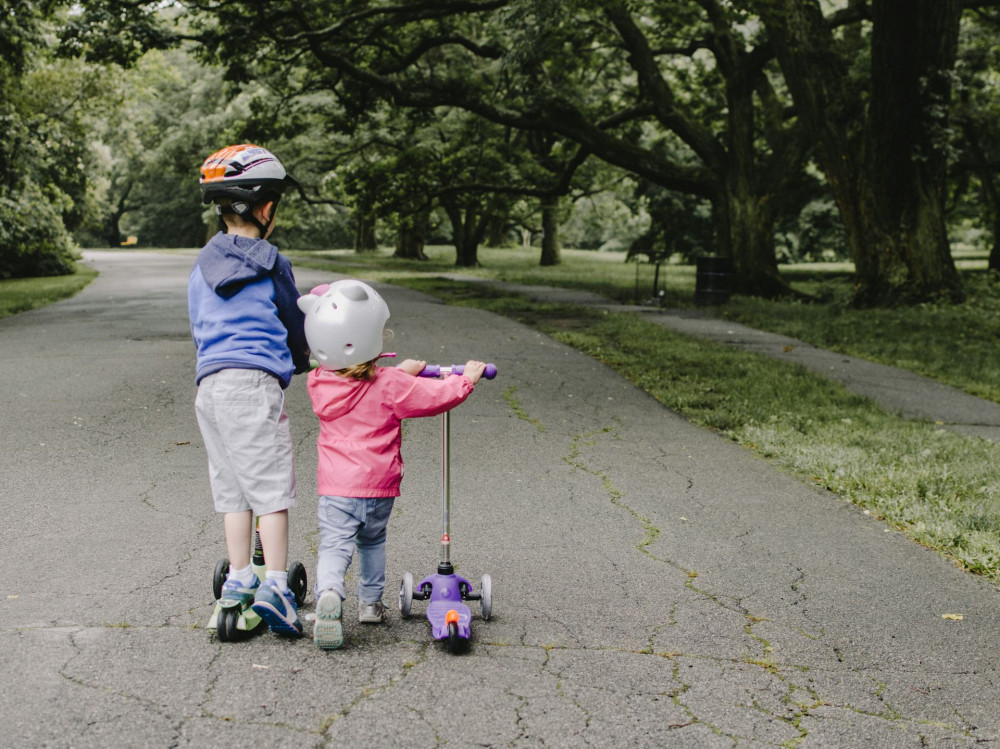
Help Children Resolve Conflicts—Without Taking Control Away from Them

Help Children Resolve Conflicts—Without Taking Control Away from Them
When children play together, disagreements are bound to happen. It might be about who gets the first turn, what the rules are, or who gets to use a favorite toy. As adults, we often feel the urge to step in and fix things quickly. But when we do that too often, we take away an important opportunity for children to learn how to handle conflicts on their own. Supporting kids in resolving conflicts—without taking control—requires patience, presence, and a thoughtful approach.
Why Conflicts Matter
Conflicts are a natural and valuable part of children’s social development. Through them, kids learn to express their needs, understand others’ perspectives, and practice compromise. When adults intervene too quickly, we risk depriving them of the chance to build these lifelong skills.
That doesn’t mean we should leave children to struggle alone. Adults play a crucial role as a safe base and a guide—but the goal is to support, not to take over.
Step 1: Create Calm and Safety
When a conflict arises, the first step is to calm the situation. Children who are upset or angry can’t think clearly. Speak softly, help them take a few deep breaths, or suggest a short break before talking about what happened.
A simple “I can see you’re both upset—let’s take a moment to calm down” can signal that you’re there to help, not to judge.
Læs også:
Step 2: Listen to Both Sides
When children feel heard, tension often eases on its own. Give each child a chance to explain what happened and how they felt. Reflect back what you hear so they know you understand: “So you felt left out when you didn’t get a turn?”
Avoid taking sides. Your role is to help them understand each other—not to decide who’s right.
Step 3: Guide Them Toward Solutions
Once the emotions have settled and both children have shared their perspectives, you can guide them toward finding a solution. Ask open-ended questions like:
- “What could you do so that both of you are happy?”
- “How can you keep playing in a way that’s fun for everyone?”
Children are often surprisingly creative when given the chance. Finding their own solutions builds confidence and strengthens their ability to cooperate.
Step 4: Acknowledge the Effort—Not Just the Outcome
When the conflict is resolved, praise the children for the way they worked through it. Focus on the process rather than the result: “I really liked how you listened to each other and came up with a plan.” This helps them see that resolving disagreements is a skill they can keep improving.
When You Need to Step In
Sometimes a conflict becomes too intense, or a child becomes physically or emotionally overwhelmed. In those moments, it’s important to step in to ensure everyone’s safety. But even then, you can help the children talk afterward about what happened and what they might do differently next time.
Make Room for Learning Every Day
Conflict resolution isn’t limited to the classroom or playground. It happens at home between siblings, during playdates, or even when a child feels frustrated with a friend. The more opportunities children have to practice in a safe environment, the more capable they become of handling disagreements independently.
As an adult, you can support this learning by:
- putting words to emotions (“I can see you felt angry when…”)
- modeling how to apologize
- talking about how to make things right after a disagreement
Balancing Support and Independence
Helping children resolve conflicts is about finding the balance between being present and giving space. When we trust children to take responsibility for their relationships, we show them that we believe in their ability to handle challenges. That trust becomes the foundation for empathy, accountability, and cooperation—skills that will serve them well throughout their lives.
Læs også: