The Changing Role of Parenthood: How to Find the Balance Between Tradition and Modern Life
The Changing Role of Parenthood: How to Find the Balance Between Tradition and Modern Life
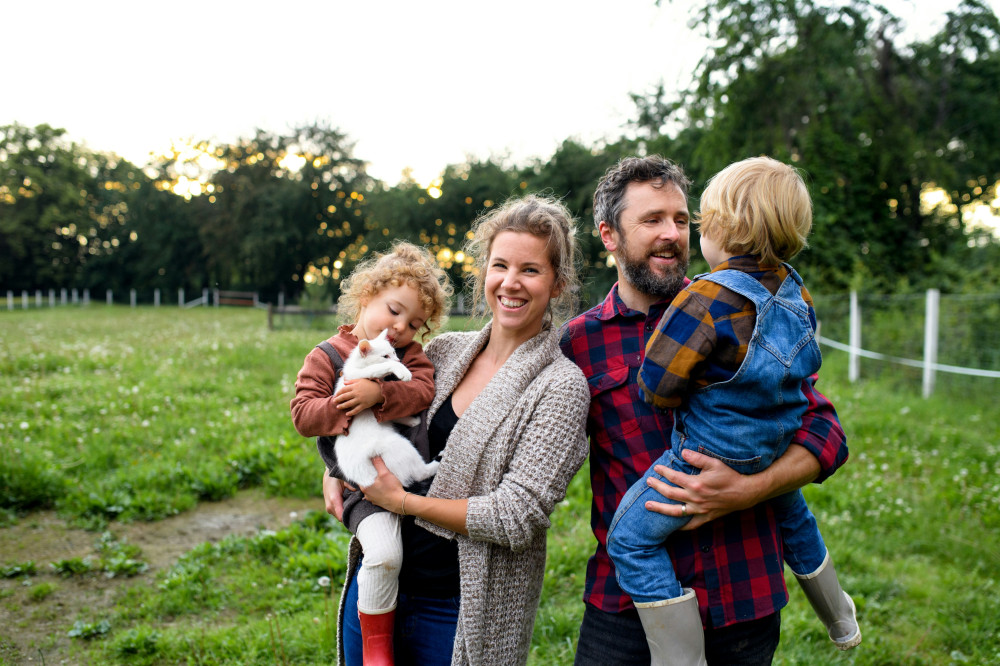
Parenthood has always evolved, but rarely as rapidly as it does today. Where previous generations often followed clear expectations and well-defined roles, today’s parents face a flood of choices, advice, and ideals. Social media, shifting family structures, and a growing focus on children’s emotional well-being have transformed how we think about raising kids. The challenge for many American parents is finding balance—between the values they grew up with and the modern ideals shaping family life today.
From Authority to Connection
In many families, parenting has shifted from an authoritarian model to one centered on communication and empathy. The old “because I said so” approach has given way to conversations, explanations, and shared decision-making. This change can strengthen trust and emotional bonds, but it can also create uncertainty when boundaries become blurred.
The key is not choosing between firmness and freedom, but blending them. Children need both love and structure. Clear expectations provide security, while open dialogue helps them develop independence and confidence. Finding that middle ground allows parents to guide without controlling—and to listen without losing authority.
Tradition as a Source of Stability
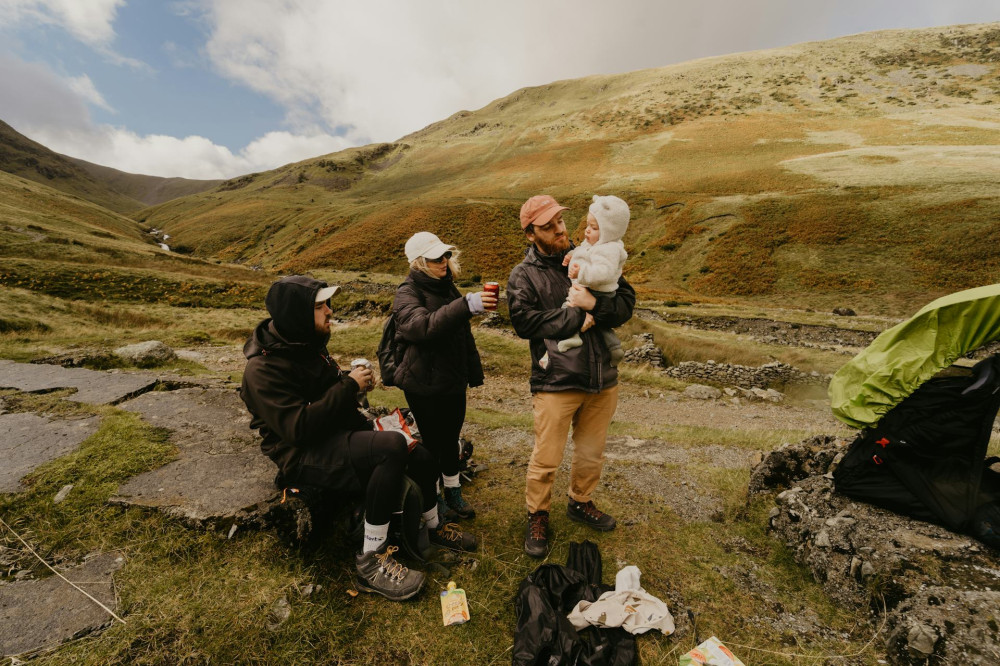
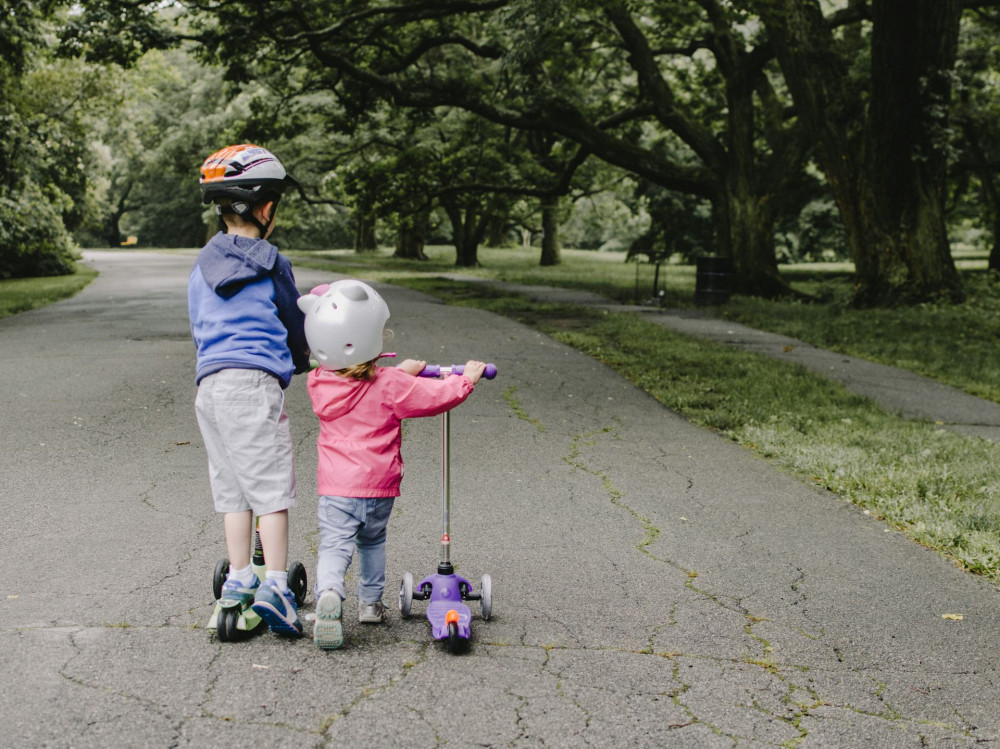
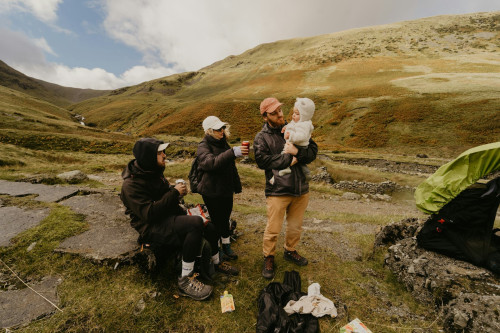
Even in a fast-changing world, traditions can serve as anchors. They create continuity, belonging, and a sense of identity—both within the family and across generations. In the U.S., that might mean Sunday dinners, holiday rituals, or simple routines like bedtime stories or weekend hikes.
Traditions don’t have to be rigid or outdated. They can evolve to reflect modern values and lifestyles. Maybe Thanksgiving becomes less about the perfect meal and more about gratitude and togetherness. What matters most is that these shared moments strengthen family bonds and give children a sense of roots in an ever-shifting world.
The Modern Pressure—and the Power of Letting Go
Today’s parents often feel caught between work demands, family responsibilities, and personal goals. Add to that the constant stream of parenting advice online, and it’s easy to feel like you’re never doing enough. The pressure to be the “perfect parent” can be overwhelming.
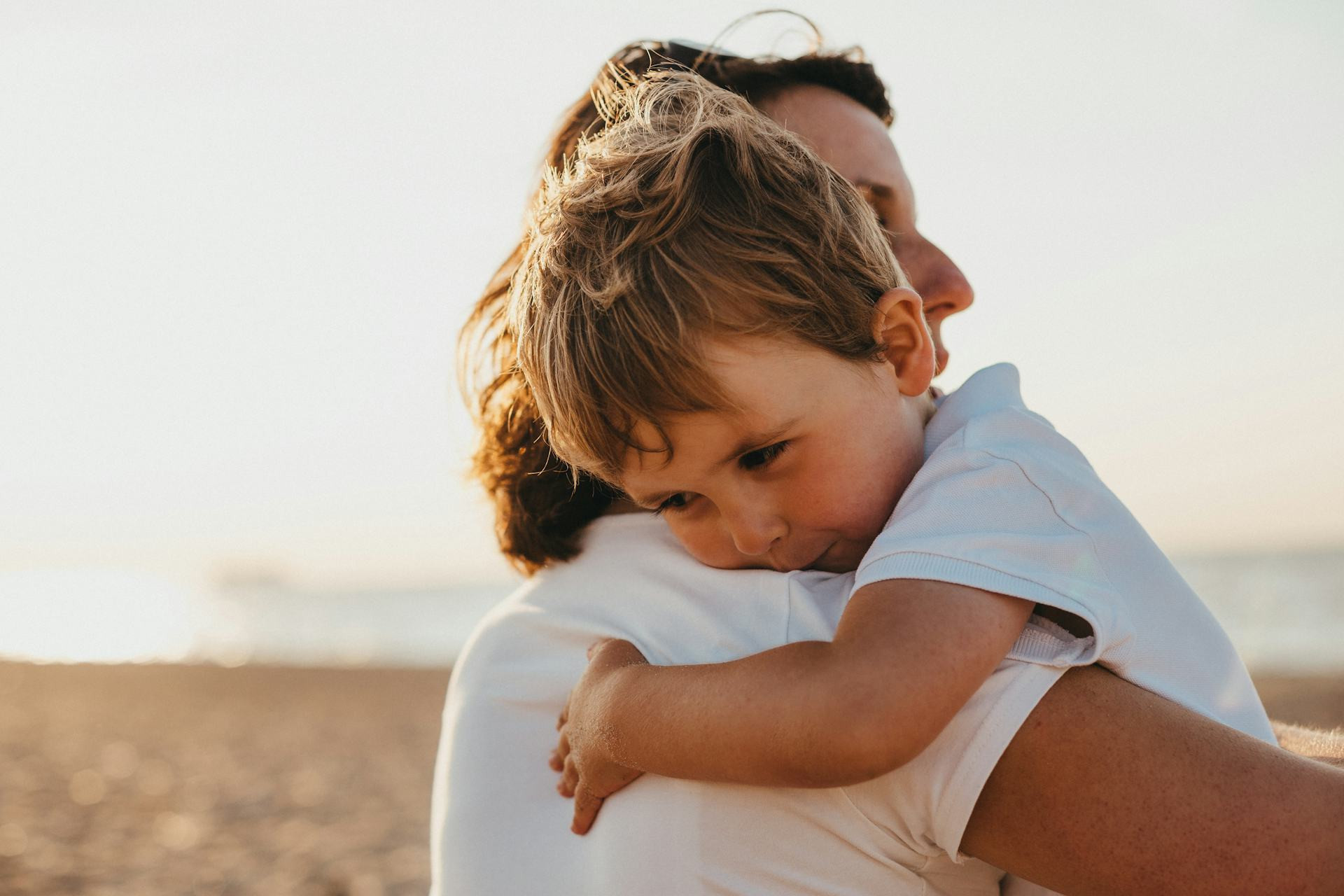
But children don’t need perfection—they need presence. Letting go of unrealistic expectations, both your own and society’s, can bring more peace and authenticity to family life. Sometimes, the best thing a parent can do is to slow down, be present, and accept that “good enough” really is good enough.
New Family Forms, New Roles
American families today come in many forms: blended families, single parents, same-sex parents, co-parenting arrangements, and more. This diversity means that parenthood is no longer a one-size-fits-all experience. Roles are shaped by each family’s unique circumstances and relationships.
What matters most is creating a shared understanding of what parenthood means in your family. Who takes on which responsibilities? How do you communicate and make decisions together? And how can you ensure that your children feel loved and secure, no matter what your family looks like?
Læs også:
Finding Your Own Path
There’s no universal formula for successful parenting. Every family must find its own balance—between tradition and innovation, structure and flexibility, giving and letting go. That process takes reflection, patience, and the courage to trust your instincts.
A good starting point is to ask yourself: What values do I want to pass on? What from my own upbringing do I want to keep—and what do I want to change? When you’re clear about your guiding principles, it becomes easier to navigate the flood of advice and expectations that surround modern parenthood.
Parenthood as Lifelong Learning
Being a parent today isn’t just about raising children—it’s also about growing as a person. Each stage, from infancy to adolescence to adulthood, brings new challenges and insights. Parenthood isn’t static; it’s a lifelong journey of learning, adapting, and evolving.
The balance between tradition and modern life isn’t something you find once and for all. It’s something you create every day—in small choices, in conversations, in the way you show up for your children. And perhaps that ongoing process of growth and connection is what makes parenthood one of life’s most meaningful adventures.
Læs også: