Afternoon in Balance: Homework, Free Time, and Calm in the Same Rhythm


Afternoon in Balance: Homework, Free Time, and Calm in the Same Rhythm
When the school day ends, a new rhythm begins — the afternoon. For many American families, it’s a time when homework, after-school activities, and the need for downtime all compete for attention. Finding balance between structure and relaxation can be a challenge, but with a few mindful adjustments, afternoons can become a source of energy rather than stress.
A Rhythm That Fits Your Family
There’s no single right way to organize the hours after school. Some kids focus best when they tackle homework right away, while others need a snack and a break before they can concentrate again. The key is to find a rhythm that fits your family’s lifestyle and your child’s natural energy patterns.
Start by noticing when your child seems most alert. Is it right after school, or later in the afternoon? Once you understand their rhythm, it’s easier to plan a routine that allows time for both focus and relaxation.
Homework Without the Struggle
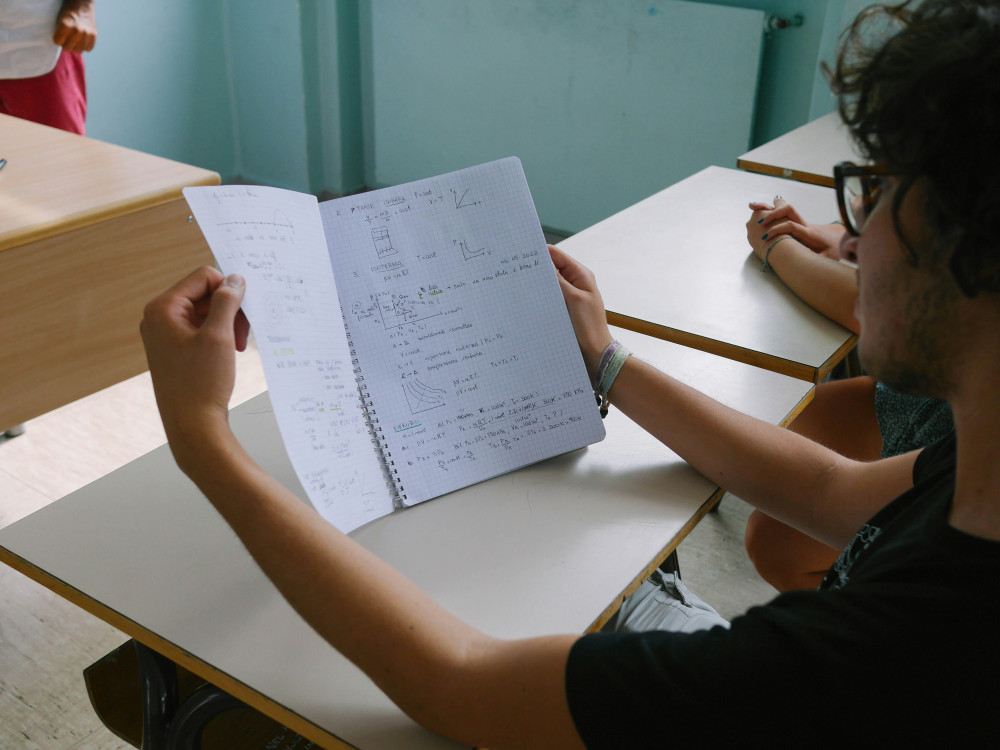
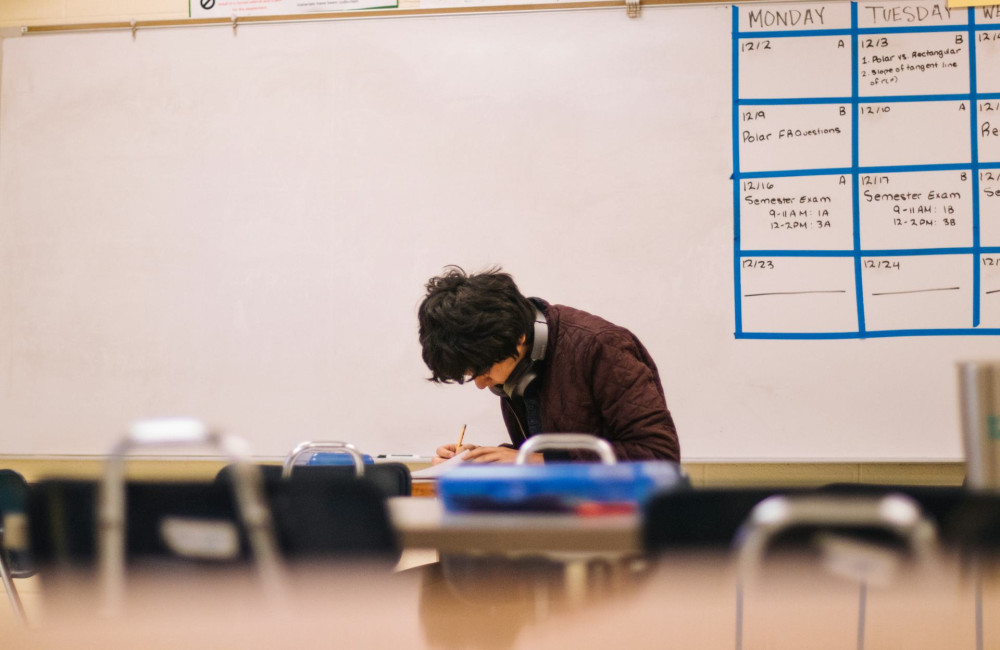
Homework can easily become a source of tension at home. But with a consistent routine and realistic expectations, it can feel more manageable. Create a calm space for studying — it doesn’t have to be a desk, just a spot that signals “homework time” and minimizes distractions.
Try making a short plan together: What needs to be done, and how long will it take? This gives your child a sense of control and helps them stay on track. Don’t forget to include short breaks — the brain works better when it has time to rest.
If motivation is low, break assignments into smaller steps and celebrate effort, not just results. Encouragement builds confidence and helps children develop a positive attitude toward learning.
Meaningful Free Time
After homework, it’s time to unwind — but free time doesn’t always have to be scheduled. Many kids have packed calendars filled with sports, music lessons, and clubs. While these activities are valuable, it’s also healthy to have unstructured time. Free play, creativity, and even boredom are important for emotional and cognitive growth.
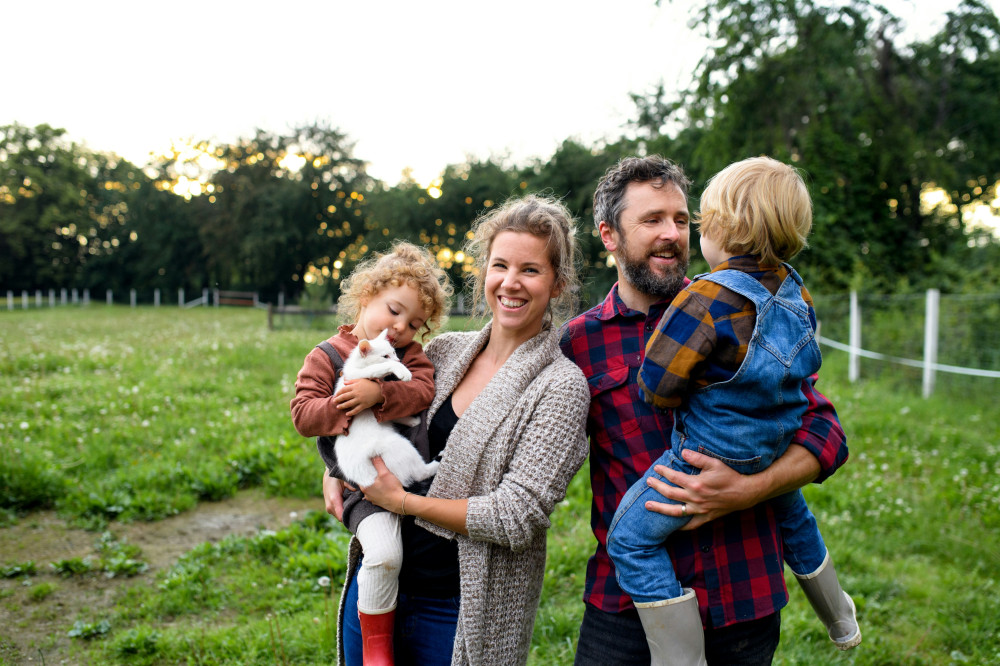
Consider whether your child’s week has a good balance between structured activities and open time. Some kids thrive on routine, while others need flexibility. The goal is to find the level of activity that helps your child feel both secure and free to explore.
Calm as a Daily Habit
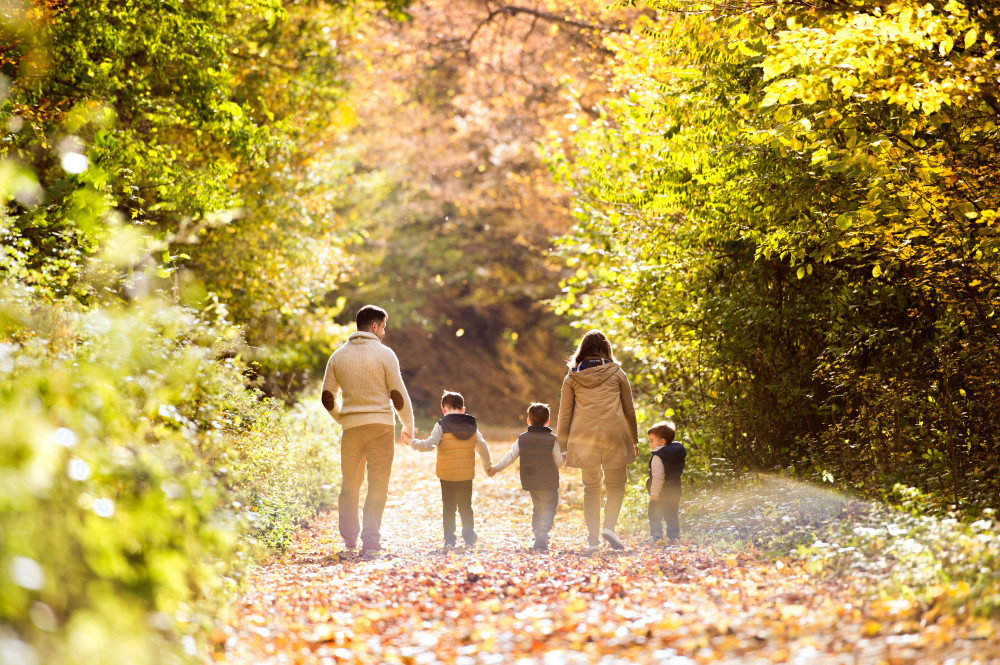
In a world full of screens and constant stimulation, calm moments can be rare — but they’re essential. Calm doesn’t have to mean silence; it can simply be a shared moment of connection. A cup of cocoa, a walk around the block, or sitting together without an agenda can bring a sense of peace.
Some families find it helpful to set aside a “quiet half hour” after dinner, when everyone puts away devices and does something relaxing — reading, drawing, or just talking about the day. Small rituals like these create predictability and strengthen family bonds.
Cooperation Over Control
To make afternoons run smoothly, it helps when children feel involved in planning them. Ask for their input: How would they like the afternoon to go? Making decisions together gives them ownership and reduces resistance.
Parents can think in terms of cooperation rather than control. Instead of saying, “You need to do your homework now,” try asking, “When do you want to start your homework today?” This approach gradually teaches responsibility and time management.
Læs også:


An Afternoon That Restores Energy
When homework, free time, and calm coexist, the afternoon becomes more than just the space between school and bedtime — it becomes a meaningful part of the day. The goal isn’t perfection, but balance: a rhythm that feels sustainable and nurturing for both children and parents. With a little awareness and flexibility, afternoons can become a time that restores energy, connection, and peace for the whole family.
Læs også: