When Play Becomes Learning: Conflicts as Practice in Cooperation

When Play Becomes Learning: Conflicts as Practice in Cooperation
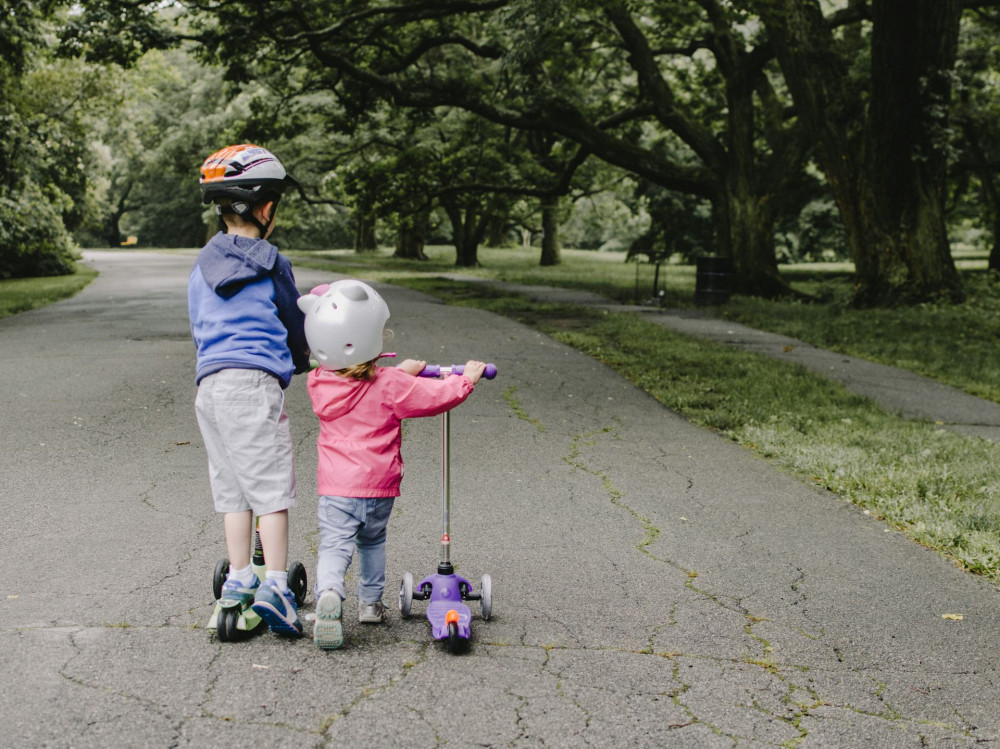
When children play, disagreements almost always arise. Who gets to go first? Who decides the rules? And what happens when someone feels left out or treated unfairly? For adults, it can be tempting to step in and fix the problem right away. But these small clashes actually hold valuable learning opportunities. Through play, children practice cooperation, negotiation, and empathy — skills that reach far beyond the playground.
Conflicts as a Natural Part of Play
Disagreements during play are not a sign that something is wrong. On the contrary, they show that children are engaged, taking initiative, and trying to make sense of the world together. When kids argue, they are often testing boundaries and figuring out how to be part of a group in a way that feels fair to everyone.
Younger children may express frustration by crying, shouting, or walking away. Older children begin to use words, arguments, and compromises. This development happens through experience — and it requires that adults give them space to work things out on their own.
The Adult’s Role: Support Without Taking Over
It can be hard for adults to stand by when play turns into conflict. But instead of stepping in as a referee, adults can take on the role of a guide. The goal is to support children in finding their own solutions — not to decide who’s right or wrong.
A helpful approach is to ask open-ended questions:
- “What happened just now?”
- “How do you think your friend feels?”
- “What could you do so that both of you can keep playing?”
When children are guided to put their feelings and needs into words, they learn to understand both themselves and others. This strengthens their empathy and their ability to cooperate — skills that matter in every part of life.
From Conflict to Cooperation
When children manage to solve a problem together, they experience a shared success. They discover that listening, compromising, and finding common ground can make play more fun for everyone. That’s when play becomes learning.
Imagine two kids both wanting the same toy truck. Instead of an adult dividing the time or taking the toy away, the children can be encouraged to find their own solution: “How can you both use the truck?” Maybe they decide to build a road together — and the conflict turns into teamwork.
Learning That Reaches Beyond the Playground
The social skills children develop through play form the foundation for their well-being in school, in sports, and later in life. The ability to handle disagreements, communicate clearly, and find compromises is essential for friendships, teamwork, and leadership.
When children experience that conflicts can be resolved constructively, they gain confidence in their ability to influence their surroundings in positive ways. This gives them courage to take initiative, take responsibility, and participate in communities — all key elements of personal growth.
Creating Safe Spaces for Play
For children to learn from conflicts, they need to feel safe. That means adults must create environments where it’s okay to disagree and where every voice is heard — whether that’s in preschool, on the playground, or at home.
A safe environment doesn’t mean the absence of conflict. It means having trust that conflicts can be handled calmly and fairly. When children see adults respond with patience and support, they learn that disagreements aren’t dangerous — they’re simply part of being together.
Læs også:
When Play Becomes Learning
Play is children’s natural way of exploring the world. Through play, they test roles, rules, and relationships — and through conflicts, they learn how to be part of a community. When adults view conflicts not as problems but as opportunities to practice cooperation, we help children develop essential social and emotional skills.
So next time a game hits a rough patch, take a breath, wait a moment, and see what the children come up with. The solution might be just around the corner — and the learning already underway.
Læs også: