Movement and Learning Go Hand in Hand: Play Your Way to Better Focus and Concentration

Movement and Learning Go Hand in Hand: Play Your Way to Better Focus and Concentration
For decades, sitting still and listening quietly has been seen as the hallmark of good learning. But research increasingly shows that the body plays a far greater role in how the brain focuses and retains information than we once believed. When children move, their blood flow, senses, and nervous system are all activated—boosting memory, attention, and motivation. In short: movement and learning are deeply connected.
The Body as a Learning Engine
When kids run, jump, dance, or play, multiple parts of the brain are engaged at once. They’re not just using their muscles—they’re also developing coordination, balance, and spatial awareness, all of which are essential for learning.
Studies from universities across the United States, including Harvard and the University of Illinois, have found that physical activity improves concentration and enhances children’s ability to solve problems that require focus and memory. This benefit extends far beyond gym class—it supports learning in math, reading, and science as well.
Movement triggers the release of neurotransmitters like dopamine and serotonin, which help us feel alert and motivated. That’s why even short movement breaks during the school day can make a big difference in students’ readiness to learn.
Play as a Learning Tool
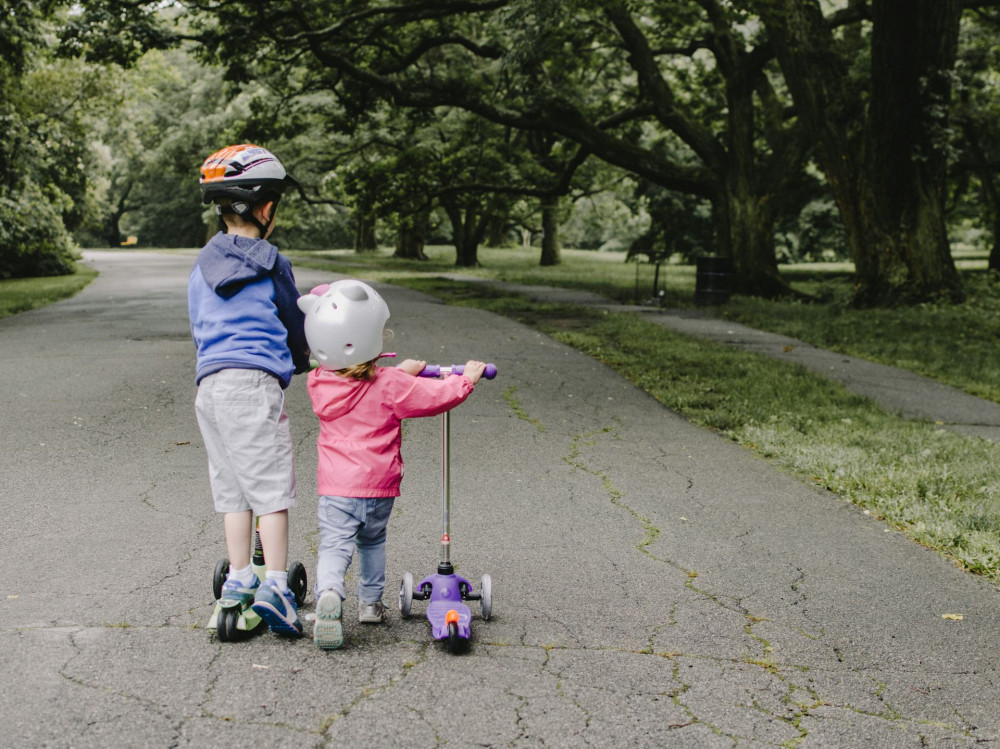
Play is children’s natural way of exploring and understanding the world. Through play, they experiment, collaborate, solve problems, and use their imagination. When learning is combined with play and movement, it becomes easier for children to grasp and remember new concepts.
Here are a few simple ways teachers can bring movement into learning:
- In language arts, students can form letters with their bodies or jump to syllables in a word.
- In math, they can measure distances on the playground or solve problems through movement games.
- In science, they can mimic animal movements or conduct small outdoor experiments.
These activities make learning tangible and sensory-based—helping children not only understand but also enjoy what they’re learning.
Movement Beyond the Classroom
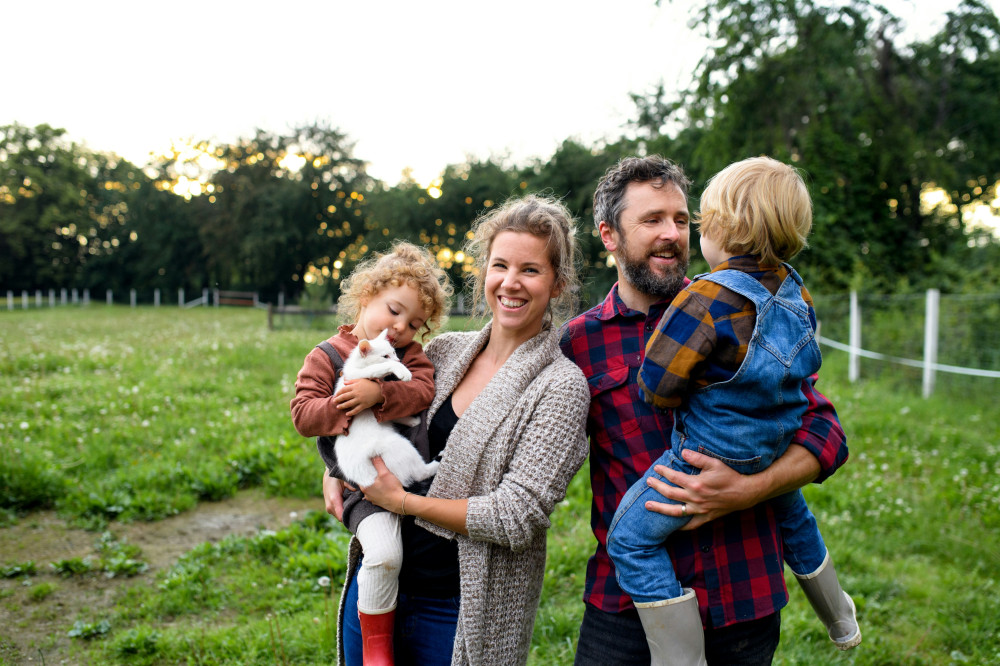
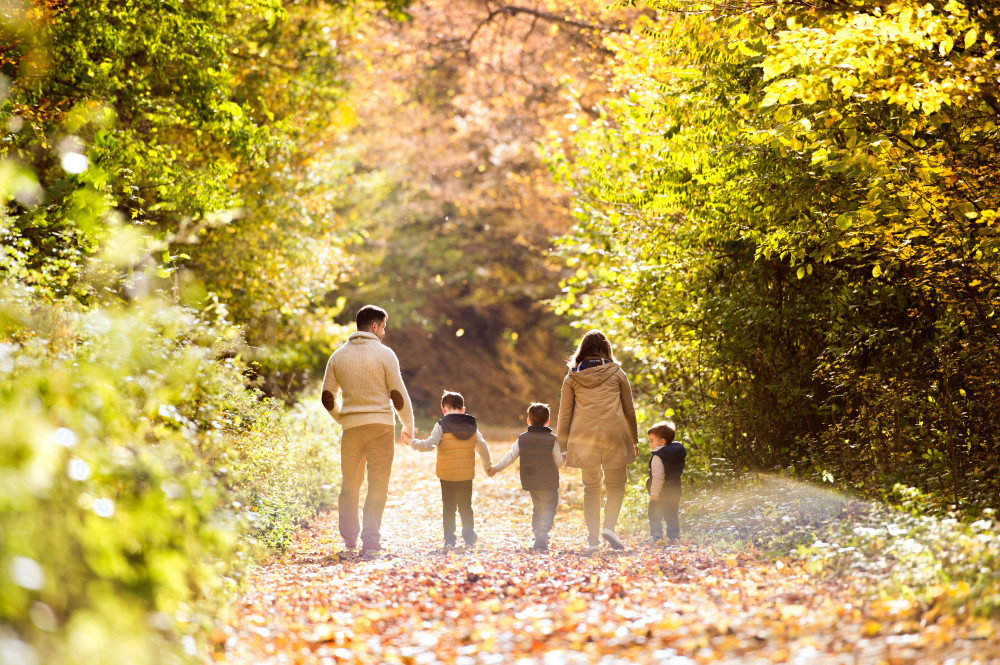
The benefits of movement don’t stop at school. At home, parents can create small routines that combine play and learning in everyday life.
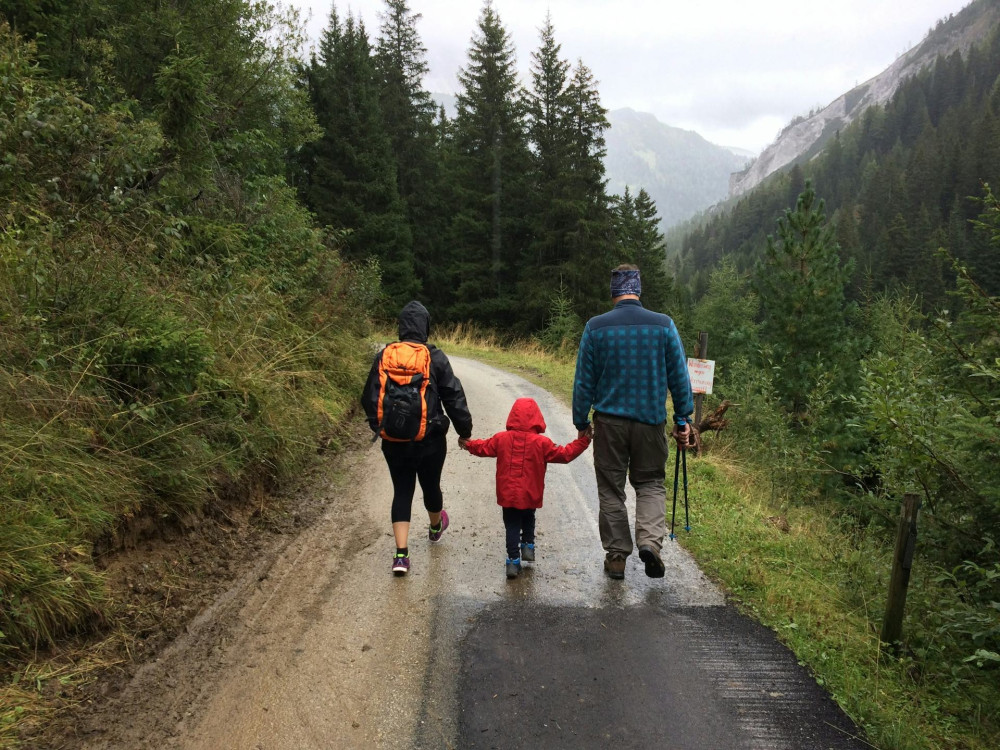
- Take a walk and talk about what you see. This builds vocabulary and observation skills.
- Set up a scavenger hunt with clues or tasks. It encourages problem-solving and teamwork.
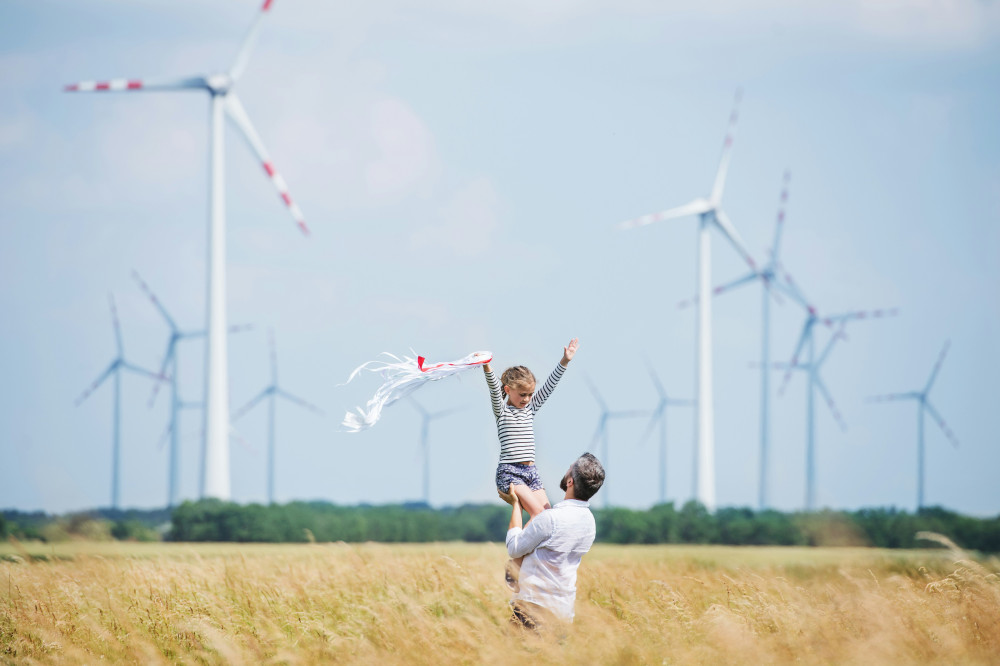
- Dance or play active games together. It boosts energy, joy, and helps kids unwind after a long day.
Even short bursts of physical activity can make a noticeable difference in children’s mood, focus, and overall well-being. It’s not about organized sports or competition—it’s about keeping the body active and making movement a natural part of daily life.
Læs også:
Schools in Motion
Across the U.S., more schools are finding creative ways to integrate movement into the school day. Some have “movement breaks” between lessons, while others design entire learning modules that combine physical activity with academic content.
Teachers often report that students become more engaged and less restless when they’re allowed to move. Classroom conflicts tend to decrease, and students show greater cooperation and enthusiasm for learning.
Incorporating movement doesn’t require major changes. Small adjustments—like a quick walk outside, a short game in the hallway, or an activity that gets students standing and moving between tasks—can bring new energy and focus to the classroom.
An Investment in Body and Mind
Blending movement and learning isn’t just about improving grades or test scores. It’s about nurturing healthy, curious, and joyful children who thrive both physically and mentally.
When kids learn through movement, learning becomes a full-body experience—something they feel, remember, and associate with joy. It’s an investment in their future well-being and in a school culture where play and learning truly go hand in hand.
Læs også: