Foster Joy in Learning Through Daily Conversations and Routines


Foster Joy in Learning Through Daily Conversations and Routines
A love of learning rarely appears out of nowhere. It grows in everyday moments—when children feel seen, understood, and supported. As a parent, you can make a big difference by creating steady routines and meaningful daily conversations that give your child a sense of calm, structure, and motivation to learn. Here’s how you can nurture joy in learning at home.
Learning Begins with a Sense of Security
Children learn best when they feel safe and grounded. Security isn’t just about having lunch packed or homework ready—it’s also about knowing what to expect each day. Simple routines, like waking up at the same time, sharing breakfast, and talking briefly about the day ahead, help children feel prepared and confident.
When kids know what’s coming, they spend less energy worrying and more energy being curious and engaged. A calm, predictable start to the day can set the tone for a positive school experience.
Conversations That Build Connection
Daily conversations don’t have to be long to be meaningful. What matters most is presence and genuine interest. Instead of asking only “How was school?”, try questions that invite reflection and emotion:
- “What was something fun that happened today?”
- “Was there anything that felt tricky or confusing?”
- “Who did you spend time with at recess or lunch?”
When you show real curiosity about your child’s experiences, you teach them that their thoughts and feelings matter. This strengthens their confidence and willingness to share—and gives you valuable insight into how they’re doing socially and academically.
Routines That Bring Calm to Homework Time
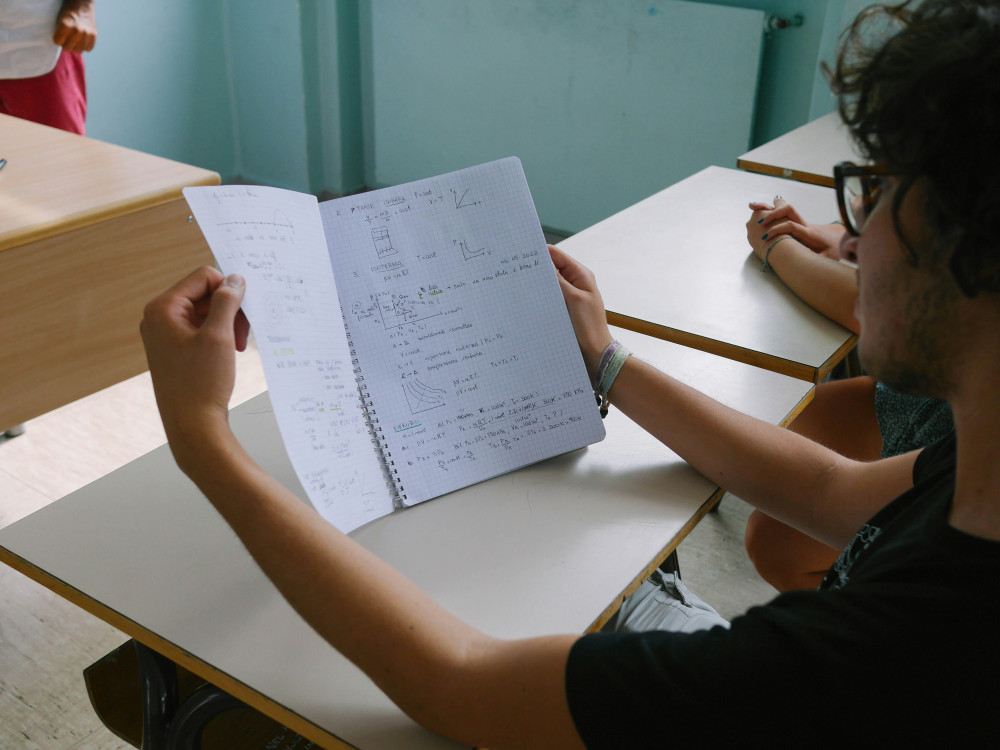
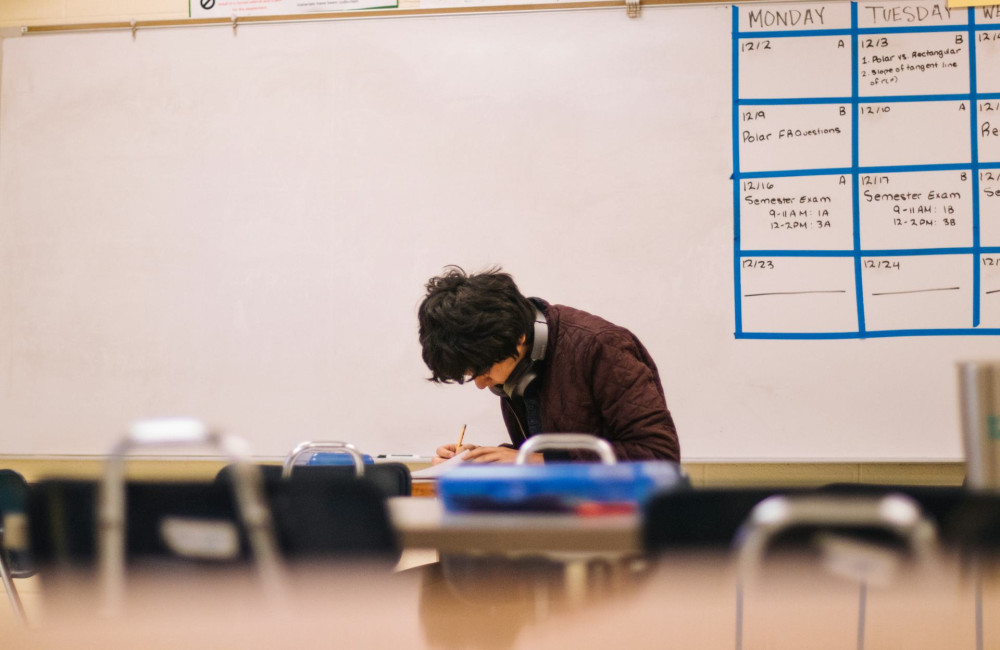
Homework can easily become a source of tension if it doesn’t fit into a predictable rhythm. Try to find a time of day when your child is most receptive—some kids focus best right after school, while others need a snack and a break first.
Create a consistent homework spot that signals “focus time.” It doesn’t have to be a separate desk; even a corner of the kitchen table can work if it’s free from distractions. Help your child plan their tasks, but let them take ownership of completing them. That sense of responsibility and accomplishment is key to building confidence and joy in learning.
Celebrate Small Steps Forward
Children are motivated when they feel their efforts are noticed. Instead of focusing only on grades or outcomes, highlight persistence and progress: “I can tell you worked hard on that math problem,” or “You kept trying even when it was tough.” This kind of encouragement builds intrinsic motivation and helps children see learning as rewarding in itself.
You can also create small rituals to celebrate progress—a special snack, a walk together, or simply a high-five. It’s not about rewards, but about recognizing growth and effort.
Balance School and Free Time
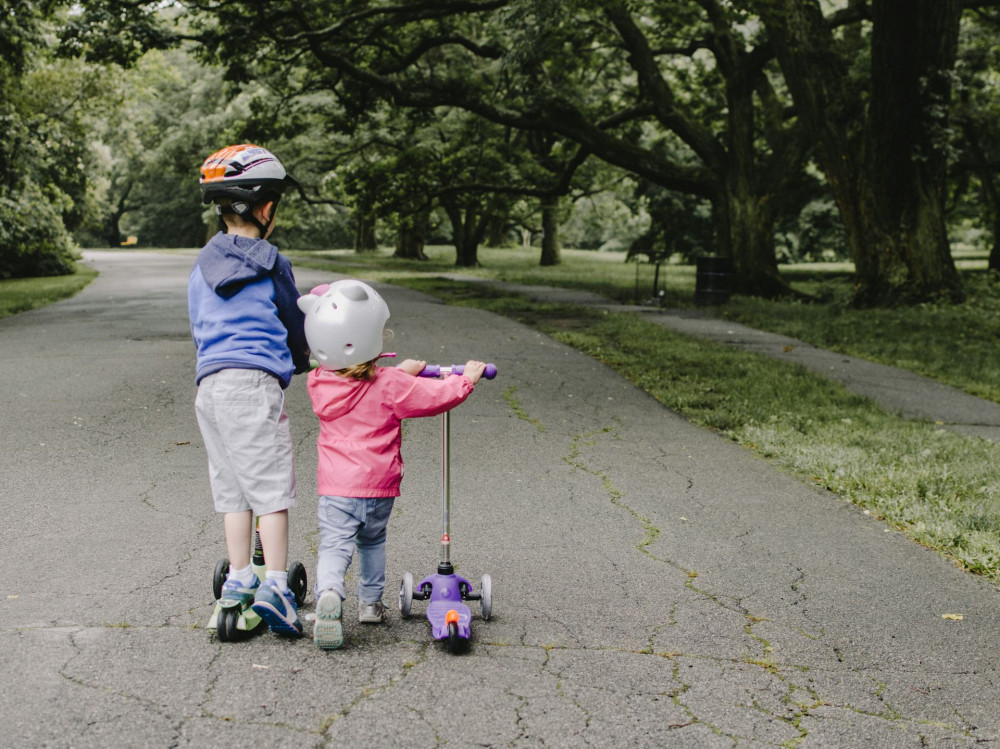
Joy in learning also depends on balance. Kids need time to rest, play, and explore interests outside of school. Unstructured time isn’t wasted—it’s essential for creativity and emotional well-being. Make sure your child has space to relax, connect with friends, and enjoy activities that recharge them.
When children experience life as more than just schoolwork—when they have time for joy, friendship, and freedom—they return to learning with more energy and enthusiasm.
Partner with Teachers
A strong partnership between home and school supports your child’s success. Teachers appreciate parents who show interest without taking over. Ask how you can best support learning at home, and share what you notice about your child’s mood or motivation.
When children see that parents and teachers are on the same team, they feel supported and secure—an important foundation for both well-being and learning.
Læs også:


Joy in Learning Is a Shared Effort
Fostering joy in learning isn’t about pushing your child to love school—it’s about creating a daily life where learning feels meaningful and manageable. Through steady routines, open conversations, and a supportive attitude, you can help make school a place your child looks forward to.
Small, consistent actions at home can make a big difference—and it’s in those everyday moments of connection and routine that the joy of learning truly takes root.
Læs også: